Search Results
112 results for “dog urinary tract infection”
What causes a dog to leak urine?
Urine leakage can be physiological or pathological. First, many dogs dribble when very excited, especially puppies and seniors with weak muscle/nerve control; this is normal — just clean them up. Second, urinary or nerve diseases such as cystitis, urethral stones, UTI, spinal injury, disc disease or spinal tumor can cause leakage; see a vet to find the root cause and treat.

How to Manage Incontinence in Senior Dogs
Senior-dog leakage (incontinence) may be physical (aging sphincters, low antidiuretic hormone), disease-related (cystitis, stones, tumors, prostatitis), or behavioral. Get a vet work-up (ultrasound, blood, urinalysis), feed a low-salt easy-to-digest diet, keep things clean, use pads, and support the dog's mood.

Why Is Your Dog Peeing Frequently
Frequent urination in dogs can be perfectly normal or a sign of illness. Puppies, marking behavior, heat, hot weather, and old age often explain it, while urinary infections, diabetes, and endocrine disease call for a vet visit.
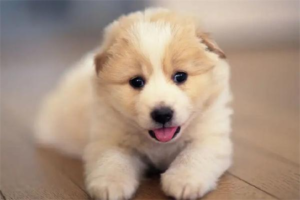
Why Is My Dog Peeing in the House?
A dog that urinates indoors may be in heat, untrained, marking territory, stressed by a broken routine, seeking attention, acting out, aging, over-excited, or suffering a urinary infection. If accidents come with other symptoms such as blood in the urine, a vet visit is needed.

What Are the Dangers of a Dog Holding Its Urine Too Long?
Making a dog hold its urine too long can cause urinary crystals and stones, raise the risk of bladder infection (especially in females), and trigger prostate problems in males — sometimes leading to blockage, kidney failure, or blood in the urine. Meet the need promptly, and if you're often away, train indoor elimination.
Can All Dogs Swim? Breeds and Dogs That Should Avoid the Water
Not every dog is born for the water. The familiar “dog paddle” is mostly a panic response that keeps a dog afloat briefly—it doesn’t provide direction, endurance, or safety in currents and deep water, and many sedentary pets tire fast and risk swallowing water or panicking. That said, some breeds with broad chests, long legs, and good muscle—Labradors, Goldens, Poodles, Spaniels, Border Collies—adapt to swimming readily. Others are high-risk: short-nosed breeds (Pugs, French/British Bulldogs, Shih Tzus, Chow Chows) have narrow airways and front-heavy builds that make breathing and balance hard; long-backed short-legged breeds (Corgis, Dachshunds, Basset Hounds) struggle to stay level; senior, fearful, or ill dogs should also stay dry. Never toss a dog in—let it wade in shallow water and cap sessions at about 20 minutes.
Why Is My Dog in Pain When Urinating?
When a dog shows pain while urinating, the cause is usually a problem in the urinary tract, such as a urinary infection, bladder stones or crystals, or a blockage. Along with painful urination, you may notice frequent or urgent attempts to urinate, straining, reduced output, blood in the urine, cloudy or pus-like urine, or a complete inability to pass urine. Because these conditions can quickly become serious, any sign of painful urination means your dog should be seen by a veterinarian promptly. Diagnosis may involve urinalysis, X-rays, ultrasound, or other tests, and treatment is chosen according to severity, ranging from relieving a blockage and catheterization to medication or surgery.
Why does my dog leak urine?
Causes: timid personality (leaks when scared/excited), young age (immature bladder control), old age (declining function), or disease (cystitis, UTI, stones). See a vet if unsure.
Why Dogs Drink Less in Cold Weather (and Why It Matters)
As temperatures drop, many dogs drink far less, but winter dehydration is no minor issue — it can concentrate urine, form mineral crystals, and lead to urinary tract infections, stones, or even blockages. Low water also slows digestion and causes constipation, strains the kidneys, and thickens the blood, burdening the heart. A healthy adult dog needs 40–60 ml of water per kg daily, and no less than 30 ml/kg in winter. To encourage drinking, offer warm water (28–40°C), add a splash of something tasty like broth, place bowls around the home, use a flowing fountain, and boost activity on sunny days so your dog drinks after exercise.
What to Do When the Skin Around Your Dog’s Privates Is Red
When the skin around a dog's urination area is red, first tell whether it is a male or female. In males it is usually a urinary tract infection; in females it may be a normal heat cycle. If it is inflammation, the dog is uncomfortable and licks often, so fit an Elizabethan collar to stop the licking from worsening the redness. Causes include bacterial UTI and normal estrus, and a vet visit confirms the cause and the right care.