Search Results
112 results for “dog urinary tract infection”

A Complete Guide to Spaying or Neutering Your Cat
The best time to neuter is after sexual maturity, around 5 to 6 months, with a vet check and blood work first. Weigh the real benefits, fewer cancers and roaming, against risks like weight gain and anesthesia, and follow strict after-care to heal cleanly.
Symptoms and At-Home Medication Treatment for Canine Distemper and Feline Panleukopenia
Distemper disease is a highly contagious viral disease with a high fatality rate, usually showing symptoms such as high fever, vomiting, diarrhea, loss of appetite, lethargy, and increased eye and nasal discharge. Common pets such as dogs and cats may be infected with the distemper virus, and the most effective way to prevent viral infection is vaccination. Today we explain knowledge about distemper disease around canine distemper and feline panleukopenia.
No urination for over 24 hours, keeps licking the area, vulva swollen for a week (thought it was heat since she’s 8 months); one or two bowel movements a day, appetite okay, but low spirits
No urine for over 24 hours may be urinary blockage. If the bladder is full, get microscopy and urinalysis at a vet to tell infection from stone, then catheterize and treat. If the bladder isn't full, heat-related low water, hormone upset, or stress may be the cause — soothe her and encourage drinking; if still no urine, see a vet.
My 12-year-old spayed female Cocker Spaniel had blood dripping from the urethra, frequent urination with little volume, and now white pus-like discharge. What’s the cause and treatment?
A spayed female with blood in urine, frequent scant urination, and discharge points to urinary disease such as infection, stones, or tumors. A urinalysis and abdominal X-ray at the vet are needed. For stones, ensure ample water intake.
Why does a puppy get urethritis?
Causes include bacterial infection (most common), holding urine too long, kidney problems, and fungal or viral infection. Keep the environment clean and don't let the dog hold urine.
Started yellow urine in June, no blood, heavy panting while sleeping, poor appetite, refusing water, occasional fainting
Yellow urine, panting, and poor appetite in a dog may indicate an underlying illness and a veterinary visit is recommended as soon as possible. Several conditions can cause these symptoms.
An eight-month-old puppy has swelling around the urethra, white discharge, and yellow urine, but eats and acts normally
White discharge near the urethra depends on sex; in males it may be normal heat secretion or a secondary urinary infection from licking, while in females it may indicate vaginitis, endometrial infection, or pyometra. Get an ultrasound and treat accordingly; otherwise use pet anti-inflammatory drugs and iodine, with a collar.
Why Is My Chinchilla Peeing Outside the Litter Box?
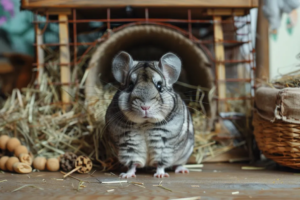
Chinchillas may urinate in the wrong places for several reasons—bad habits, low mood, estrus, territorial marking, or an underlying urinary infection. Each cause needs a different response. The key first step is to clean any accident thoroughly so the scent doesn't train your pet to reuse the spot. Feeding on a fixed schedule keeps a hungry or unhappy chinchilla calm, while separating cages and considering neutering curbs marking during heat. If urination becomes frequent or the urine looks dark, a vet check rules out infection.

Is a Pet Health Check-Up Really Necessary?
Like human screenings, pet check-up prices vary by region, and yes, it's an extra cost—but it's not wasted money. A check-up includes an external exam (eyes, ears, mouth), bloodwork (inflammation, infection, anemia, organ function), radiology (bones and organs), fecal testing (parasites), and urinalysis (urinary tract; in older cats it also shows kidney health). Cats and dogs have limited lifespans and often develop multiple diseases in old age, so early detection changes the outcome. Schedule a first exam at about 30 days old, yearly for seniors, and roughly every two years for healthy adults. Always use a proper veterinary clinic.

Why Cats Refuse to Drink from Their Water Bowl
Cats naturally drink little because their desert ancestors avoided shared water sources, but chronic low intake raises the risk of urinary and kidney disease. Encouraging hydration through fountains, wet food, and flavored water makes a real difference.