Search Results
42 results for “dog tartar”

What Causes Periodontitis in Dogs?
Periodontitis is a common and painful dental disease in dogs, driven by a mix of physical, fungal, bacterial, and metabolic factors. Physical causes include chewing on fish bones, wire, or other sharp objects that injure the mouth, while fungal infections such as Candida or Blastomyces and bacterial overgrowth can trigger necrotizing ulcerative gingivitis. Metabolic problems like diabetes, kidney disease, dehydration, and hypothyroidism also raise the risk. Affected dogs show bad breath, drooling, swollen or receding gums, loose teeth, and sometimes pus. Diagnosis combines an oral exam with dental X-rays, and treatment requires professional cleaning or extraction under anesthesia plus ongoing home dental care.
Signs Your Dog Is Getting Old
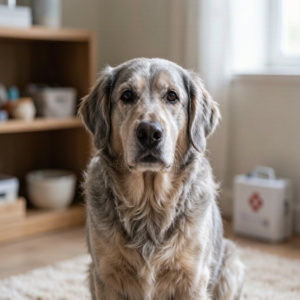
A dog's life spans only a little over a decade, and aging creeps in through everyday details rather than all at once. The earliest changes are white muzzles and cloudy eyes, followed by dental trouble, shifting personality, and less stamina. Because organ function declines with age, seniors also show digestive and urinary changes. Spotting these signs early lets you give your older dog the comfort and care they deserve.
Choosing the Best Dog Food for Senior Dogs (Age 7+)
Once a dog turns seven, its metabolism slows, digestion weakens, and organs such as the kidneys, heart, and liver begin to decline — so the right senior dog food matters more than ever. Look for a formula with at least 25% crude protein (30%+ is better), fat held between 8% and 15%, fiber under 9%, starch no higher than 32%, salt under 2%, and a calcium-to-phosphorus ratio of 1:1 to 2:1. Bonus nutrients like glucosamine, fish oil, and probiotics support aging joints, brains, and guts. Prefer wet food for dogs with poor teeth, transition gradually over seven days, and feed smaller meals. For dogs with heart, kidney, or diabetic conditions, a vet-guided prescription diet is safest.
Does Your Dog Have Bad Breath?
Picture never brushing your teeth - that is a dog's mouth. Oral disease is 70-80% of pet health issues, built slowly from food, saliva and bacteria forming plaque that mineralizes into tartar; the warm mouth breeds infection, gums recede and teeth break down, then bacteria enter the blood to reach the heart, liver and kidneys, even sepsis. If disease is already there, a pro must scale and clean under the gumline, then polish - unpolished teeth erode faster. Many clinics now offer anesthesia-free cleaning for mild tartar using imported devices. Daily prevention is cheapest: a grooming-visit dental cleanup, store-bought dental gel and water additive (a few dollars a month, well reviewed and safe), and dental chews or antler chews. Do not wait until treatment is costly.
Solving Dog Bad Breath
Dogs cannot brush or floss themselves, so food lingers, ferments and smells; over time bacteria build into plaque and tartar, the real source of odor. Fight it: wipe teeth with a soft towel or gauze and use a cotton swab with garlic juice for residue between teeth; use a dog toothbrush and pet paste (not human paste, which upsets the gut) brushing every surface, patiently easing a resistant dog in. Feed vitamin- and fiber-rich veggies and crisp dog biscuits or chews that scrub the teeth - Pekingese fed only soft meat miss needed wear. Have the vet check and scale when needed; bad teeth bring strong odor and hurt appetite and nutrition.
Why Dogs Have Bad Breath
The main cause of dog breath is simply a lack of timely, effective cleaning. Bacteria and tartar build on the teeth, yellow and smell, and lead to oral disease. You can brush - start young with gauze, then a dog toothbrush, using dog-only paste since dogs swallow foam and may upset their stomach. You can also offer dental chews and toys, or boil oxtail whose tendons massage and clean spots a brush misses. Carrots mixed with kibble help scrape stains too.
Does Dog Bad Breath Mean It Ate Poop?
Dog breath is common, but four causes explain most of it - and eating poop is rarely one. Periodontal disease lets bacteria release sulfur compounds; mouth ulcers appear as sudden worse odor; trapped food ferments into a rotten-egg smell; and gut trouble from a messy diet produces foul breath. Improve it by brushing with pet toothpaste, reviewing the diet (skip cheap unbalanced kibble and strong-smelling raw meat), checking the mouth for tartar or ulcers, and watching the stool for digestive issues. For mild cases, use a real antibacterial oral spray - not a fragrance mask.
Tracking Down the Source of Dog Odor
A strong dog smell is not always a bath problem; the real source is often the mouth, ears, or anal glands. Mouth bacteria cause bad breath, damp ears breed mites and infection, and full anal sacs add a sharp scent. This guide shows where to look and why a heavy perfume shampoo is the wrong fix.
What to Do About Bad Dog Breath
Bad breath often starts in the mouth, but it can also signal metabolic disease. Check the teeth for tartar, inflamed gums, or ulcers, and watch for sudden appetite or thirst changes that warrant a vet visit. Daily or thrice-weekly brushing with pet toothpaste, plus professional cleaning, keeps breath fresh.
Common Oral Diseases in Dogs
Many owners struggle with their dog's bad breath and the distress of dental pain. This article shares the common oral diseases behind that odor and how to prevent and treat them. From tartar and gingivitis to periodontal disease, cavities, broken teeth, and malocclusion, understanding the causes is the first step to a healthier mouth.