Search Results
798 results for “dog stress”
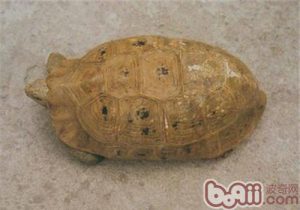
Celebes Tortoise
The Celebes Tortoise (Indotestudo forstenii), also called the Sulawesi tortoise, is a herbivorous land tortoise native to the Indonesian islands. It resembles the Burmese mountain tortoise but grows slightly larger, and is relatively easy to keep in captivity.

Canine and Feline Brain Tumors
Brain tumors in dogs and cats are most often meningeal or glial tumors that appear in middle-aged to older pets, with some breeds such as Boxers and Bulldogs overrepresented. They compress brain tissue and cause gradually worsening neurological signs including behavior changes, circling, head tilt, blindness, and seizures.

Skin Disease in Collies and Other Herding Breeds: Why Medication Must Be Chosen Carefully
Collies and related herding breeds often carry an MDR1 gene mutation that prevents normal drug clearance, making them dangerously sensitive to certain parasiticides such as ivermectin. Skin problems are treated as in any dog, but parasite control and other medications must be chosen with a veterinarian to avoid toxicity.

Canine and Feline Nasal Adenocarcinoma
Nasal adenocarcinoma is a destructive tumor of the nasal lining in dogs and cats, producing a bleeding, pus-tinged discharge and gradually destroying the normal nasal structures. There is no reliably curative treatment, and the prognosis is poor.

Bichon Frise: Health and Care Considerations Before You Adopt
The Bichon Frise is a gentle, low-shedding companion dog, but prospective owners should know its common care needs: pronounced tear staining from shallow tear ducts, a coat that mats and pulls the skin, separation anxiety, a sensitive stomach, and dental issues. Meeting these needs keeps the dog healthy.

Gray Collie Syndrome: Symptoms, Treatment, and Prevention
Gray Collie Syndrome is a fatal inherited disorder of Collie breeds in which cyclical drops in infection-fighting neutrophils leave puppies vulnerable to repeated bacterial illness, with fever, joint pain, and severe gum inflammation. Affected dogs must never be bred.

Canine Mitral Valve Insufficiency: Symptoms, Treatment, and Prevention
Mitral valve insufficiency is a degenerative heart-valve disease in which blood leaks backward from the left ventricle into the left atrium, accounting for roughly three-quarters of canine heart disease. Older small breeds are most affected and show exercise intolerance, coughing, and night-time breathing distress.

Canine Hypertrophic Cardiomyopathy: Symptoms, Treatment, and Prevention
Canine hypertrophic cardiomyopathy (HCM) is a chronic, often inherited heart muscle disease in which the left ventricular wall and septum thicken, impairing the heart's ability to relax and fill. Many dogs show no signs until they develop breathing difficulty, fainting, or sudden collapse, so early cardiac screening is essential.

Canine and Feline Trichomoniasis: Symptoms, Treatment, and Prevention
Trichomoniasis is a protozoal parasite infection of dogs and cats, most often caused by Pentatrichomonas, that produces stubborn, mucoid, sometimes bloody diarrhea. It spreads through contaminated food and water and is managed with antiprotozoal therapy plus supportive care.

Canine and Feline Cryptosporidiosis: Symptoms, Treatment, and Prevention
Cryptosporidiosis is a protozoal (coccidian) infection of dogs and cats that causes acute, watery diarrhea, vomiting, and abdominal discomfort. It is most severe in young, stressed, or immunocompromised animals and is zoonotic, so hygiene is essential.