Search Results
800 results for “dog stress”

How to Care for a Poodle
Small Poodles have a more delicate constitution, so diet demands care: always provide fresh water, switch foods gradually over a week, feed on a fixed schedule, and choose a balanced natural kibble. Home-cooked meals need experience to get the nutrition right.

What to Do When Pets Eat Strange Things (Pica)
Pica — eating non-food items like string, tissue, stones, or dirt — is a nutritional or metabolic disorder, not just naughtiness. It risks mouth and gut injury, blockage, parasites, and organ failure, so see a vet, fix the diet, and add trace elements and deworming.

How Cats Show Affection: Common Loving Behaviors
Cats express affection through a surprising range of body language — purring, slow blinks, head rubbing, and kneading are all signs of trust and contentment. Rolling onto their back or trailing after you from room to room means they feel safe and have claimed you as their own.

What to Do When Your Pet Cries at Night
Nighttime vocalizing usually traces back to illness, a sudden change in routine or surroundings, or mating behavior, so finding the cause comes first. Calming measures include a high-calorie snack before bed, play to burn off energy, steady companionship, keeping familiar items in place, topping up trace elements, and a vet check for older pets.

Tips to Prevent Skin Disease in Cats
Cat skin trouble is usually ringworm or mites, and it is stubborn, relapsing, and contagious — so prevention pays off. Keep the environment dry and sunny, ease off egg yolk and red meat while feeding a dermatology diet if needed, and lean on immunity: daily sun, routine parasite prevention, and the odd supplement. Resistant cats simply don't break out.

Why Cats Get Annoyed — and How to Make Up Afterward
Cats are territorial and sensitive to pressure, so the fastest ways to annoy one are bringing home another cat, pointing a finger at it, or handling it too roughly. Once you have upset a cat, give it space, approach calmly, and win it back with a soft voice, a slow blink, and a treat.

Why Is a Pomeranian Hard to Care For?
Pomeranians are prone to eye trouble, skin problems, and joint disease, need frequent coat brushing or they mat and shed, are smart but independent so they demand training, and cling to people so they risk separation anxiety when left alone. Caring for one means regular brushing, early training, portion control to avoid obesity, daily activity, routine vet checks with vaccines and deworming, and hygiene for eyes, ears, and teeth.

Essential Supplies to Prepare Before Getting a Cat
Setting up before a cat arrives saves stress. Must-haves: a proper cat food (match its current brand, plus kitten formula and bottle if it's unweaned), a litter box with high-sided, low-entry design and tofu litter, ceramic or stainless bowls with a running-water fountain, a coat-appropriate brush, and a deworming plan (internal every 1–3 months, external monthly for outdoor cats).
Can Cat FIP Spread to Humans?
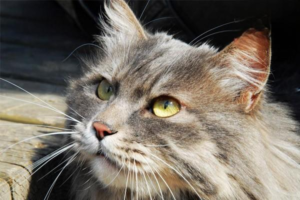
Feline infectious peritonitis (FIP) does not spread to people or, by current evidence, between cats—it is not considered a contagious disease. It arises when a cat's coronavirus mutates, driven by genetics, stress, and environment; prevention focuses on reducing stress and supporting immunity.

What to Keep in Mind When Raising a Puppy
A new puppy needs structure from day one: crate it at first for security, hold off on baths, and never feed bones. Wean it gradually onto softened puppy kibble with goat's milk, give it sunlight and gentle exercise, and stay on schedule with vaccines and deworming while shaping good behavior early.