Search Results
798 results for “dog stress”
Why Do Dogs Like to Chew Paper?
Chewing paper may stem from lack of exercise, physical need, or behavior issues. Confined dogs seek distraction (chewing paper relieves stress). Discomfort in mouth/teeth - chew to relieve pain. Untrained dogs develop bad habits. Provide stimulation, check oral health, train.
What happens if a dog lacks exercise?
Too little exercise risks obesity and hence heart disease, diabetes, high lipids; long lack brings joint disease (stiffness, hip dysplasia, muscle loss). As social animals they also need activity and socialization, so lack causes stress showing as poor appetite, lethargy, barking, biting.
How can I stop my dog from licking urine?
Licking urine is self-cleaning; to stop it, reduce stress with a calm environment and exercise, clean up waste promptly, and check for urinary disease (frequent licking of the opening, with frequency or pain) and see a vet if abnormal.
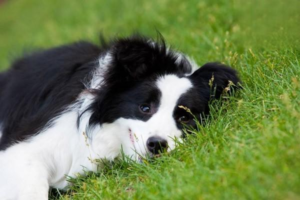
What Your Dog’s Tail Position and Movement Reveal
Dogs come in all shapes and sizes, and their tails vary just as much in length and form. But one thing is the same across every dog: the tail is one of their ways of expressing emotion. Dogs communicate through the state of their tail. Here we explain what different tail positions and movements mean, to help you understand your dog more deeply.
How do I walk a dog?
Walking a dog is actually quite simple, as long as you note the following. First, to avoid the dog getting lost or attacking passersby, always put a leash on when walking, and choose a suitable leash based on the dog's size and temperament. Second, if the weather is hot, it is recommended to walk the dog in the morning and evening, and bring drinking water to replenish it promptly. Finally, adjust the walking duration and distance according to the dog's age, health, and stamina. Adult dogs need at least 30 minutes of walking per day, which helps reduce their stress, burn off energy, promote digestion, and maintain mental health.
Today my dog went out to play on its own and came back listless, keeps dry-heaving, and is hiding under the sofa.
A dog that comes home listless, dry-heaving, and hiding under the sofa after going out to play may be extremely uncomfortable - it could have external injuries causing pain, internal injuries from a car accident, or stress and depression from being hit or bullied, all of which are possible. Here are some suggestions: 1. Observe the dog's behavior and symptoms - besides lethargy, dry heaving, and hiding, check whether there is loss of appetite, vomiting, diarrhea, fever, etc. If these symptoms appear, it has likely picked up a parasite or infectious disease outdoors. 2. Check the dog's body - carefully look for obvious external injuries or other abnormalities such as lumps or pain. 3. That day, provide the dog a quiet and comfortable environment with adequate water and food, and see whether it slowly starts eating and eliminating normally, avoiding excessive activity or over-stimulation. If the dog continues to refuse food and water, keeps dry-heaving, and remains lethargic, it is recommended to contact a veterinarian promptly for further diagnosis and treatment.
What does it mean when a dog digs at the ground with its paws?
A dog digging at the ground with its paws can mean many different things. For most dogs, digging is a way to release energy and stress - they may vent negative emotions toward the ground or display a sense of presence. In addition, digging may be an instinctive hunting behavior, possibly because something underground has caught its attention. Sometimes a dog also digs to create a cool and comfortable space to escape the scorching heat. If the dog is digging due to anxiety or other negative emotions, the owner should comfort it appropriately and provide toys and food to divert its attention.
My dog is vomiting yellow foam, won’t eat, is weak all over, keeps lying on the floor, and has yellow diarrhea
Vomiting, diarrhea, and weakness usually signal a serious disease; severe vomiting/diarrhea can dehydrate and exhaust the dog, so it lies weakly — get to the vet for fluids and treat the cause. Common causes: acute gastroenteritis from overeating or spoiled food; infectious disease like distemper, parvovirus, or coronavirus; intestinal parasites like roundworm, hookworm, giardia; also chill, stress, organ injury, or poisoning.
A shepherd dog brought from Shandong; it was fine when it arrived at a factory with steel, bricks, and cement, but recently it has teary eyes, some redness, a runny nose, retching (dry cough?), and diarrhea. It doesn’t look well; please help.
Watery eyes, retching, and a runny nose suggest a respiratory infection. If unvaccinated, also consider distemper, adenovirus, coronavirus, or mycoplasma/chlamydia infection. Usually the dog carries a viral disease and, after the move and the stress of a new environment, its resistance drops and the virus flares up. Prompt vet testing is advised.
How do I teach my dog to follow its owner?
Teaching a dog to follow its owner requires some training. First, to let the dog know when it should follow, use verbal commands such as 'heel,' 'come,' or 'walk.' Second, when the dog follows, give it small treats or praise to reinforce its willingness to follow.