Search Results
798 results for “dog stress”

Why Do Dogs Shed — and How to Manage the Fur
Shedding is a normal cycle that refreshes a dog's coat, but skin disease or poor nutrition can also cause hair loss. Brush regularly, bathe on schedule, and use simple tricks to keep loose fur under control.
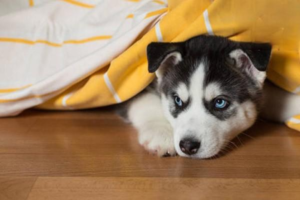
5 Puzzling Dog Behaviors Explained
Dogs do many odd things — sniffing rear ends, tilting heads, scooting, licking, and play-bowing. Most are normal communication or self-soothing, though some can signal health issues.

How to Keep Your Dog Warm in Winter
Warm your dog safely in winter: avoid long hours in heated, sealed rooms, skip electric blankets, keep distance from radiant heaters, and never serve food that is too hot or too cold.

Why Cats and Dogs Shed in Spring (and When to Worry)
Shedding spikes in spring and autumn as pets swap coats — that's normal. But heavy hair loss with behavior changes can signal skin disease, diet, allergies, stress, or parasites.
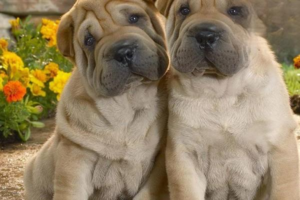
What Is a ‘Dog Bean’ (Tick) and How to Treat It
A 'dog bean' is the common folk name for a tick on a dog - also called a grass burr. Ticks are blood-sucking parasites that live in the fur, especially on thick-coated animals. Here are a few simple ways to remove and kill these little vampires.

How to Fix Smelly Dog Paws
Many dog owners notice a foul odor from their dog's paws and wonder if dogs can get "athlete's foot." Paw odor is actually common in dogs. This article explains why dog paws smell and how to treat and prevent the problem.
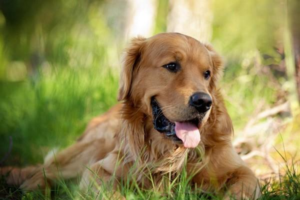
Is Your Dog Panting Hard Because It’s Tired?
Dogs pant for many reasons — heat, fatigue, or illness such as bacterial infection, pneumonia, bronchitis, even asthma. Panting is not always just tiredness. Learn to tell normal panting from asthma.

Why Is My Dog Panting Even When It Hasn’t Moved?
We all know dogs pant with their tongues out after hard exercise. But sometimes a dog pants constantly even without moving — is it just old age? That is one reason. Here are the main causes of frequent panting in dogs.
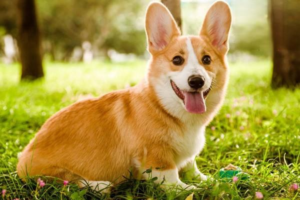
Common Causes of Eczema in Dogs
From human experience we know eczema loves moisture — and rainy, humid seasons bring it on in dogs too. Weak immunity, allergies, unkempt fur, joint pain, anxiety, and damp homes all open the door. Learn the causes and early signs.
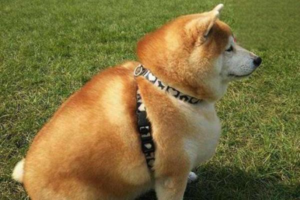
How Dogs Develop Eczema
Damp weather turns a dog's coat into a breeding ground for bacteria. Long unkempt fur, joint pain, separation anxiety, weak immunity, and wet environments all push dogs toward eczema. Learn the common pathways.