Search Results
845 results for “dog stomach”

CoQ10 for Pets: What It Is and How to Choose a Quality Supplement
Coenzyme Q10 (CoQ10) is a fat-soluble compound that helps cells produce energy, and it is concentrated in the heart, kidneys, liver, and brain. As cats and dogs age, their ability to make CoQ10 declines, which is why it is often discussed as a heart-support supplement. This guide explains what CoQ10 does, which pets are most likely to benefit, how to judge a supplement's real quality, and practical feeding tips — so you can make an informed choice instead of relying on marketing claims.
What does it mean when my Bichon Frise whines or whimpers?
A Bichon Frise whines for several reasons: fear or unease in a new environment, hunger, feeling neglected or wanting to play, signaling it needs a bathroom break, or abdominal pain and illness (with poor spirits). In short, whining mostly means fear or an unmet need - the dog wants you to notice and respond.
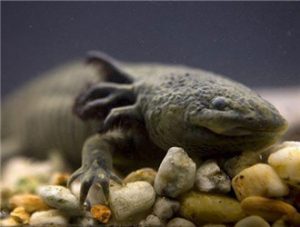
Chinese Giant Salamander
The Chinese Giant Salamander (Andrias davidianus) is one of the world's most precious amphibians, a Class II protected aquatic wildlife in China, nicknamed the 'baby fish' for its cry like an infant. Fierce and agile, in captivity it can live 50-60 years. It is carnivorous, swallowing prey whole.

Exotic Shorthair
The Exotic Shorthair — everyone's "Garfield cat" — pairs the Persian's plush look with a short, easy-care coat. Sweet, calm, and affectionate, it's one of the most laid-back cat breeds to live with.

Canine and Feline Splenic Tumors
Splenic tumors in dogs and cats may be primary or spread from other sites, and often stay silent until the spleen is already enlarged, causing bloating, pain, or anemia. Hemangiosarcoma can rupture and bleed dangerously, making prompt care essential.

Canine and Feline Gastrointestinal Carcinoma
Gastrointestinal carcinoma is an uncommon but serious gut cancer in dogs and cats; when it arises in the stomach it thickens the wall and leads to ulcers and infection. Early surgical removal offers the best chance, while advanced cases — especially rectal — carry a poor outlook.

Canine and Feline Gastrointestinal Adenoma (Polyps)
A gastrointestinal adenoma, also called a polyp, is a benign gut growth seen more often in dogs than cats and can appear anywhere in the digestive tract. Surgical removal usually cures it, though rectal polyps tend to return.

Bichon Frise: Health and Care Considerations Before You Adopt
The Bichon Frise is a gentle, low-shedding companion dog, but prospective owners should know its common care needs: pronounced tear staining from shallow tear ducts, a coat that mats and pulls the skin, separation anxiety, a sensitive stomach, and dental issues. Meeting these needs keeps the dog healthy.

Canine and Feline Spirocercosis (Esophageal Worm Infection): Symptoms, Treatment, and Prevention
Spirocercosis is a parasitic disease caused by the nematode Spirocerca lupi, which embeds in the esophageal, gastric, or aortic wall of dogs, foxes, and wolves, forming nodules and sometimes aneurysms. It is treated with anthelmintics and supportive care.

Canine and Feline Ascariasis (Roundworm Infection): Symptoms, Treatment, and Prevention
Ascariasis is a common roundworm infection of dogs and cats caused mainly by Toxocara canis, Toxocara cati, and Toxascaris leonina. Heavy worm burdens in puppies and kittens cause poor growth, diarrhea, and a pot-bellied appearance, and are controlled with broad-spectrum dewormers.