Search Results
845 results for “dog stomach”
The ten downsides of owning a Golden Retriever
Heavy shedding, high exercise needs, destructive if bored, large appetite and cost, too trusting of strangers, barking, delicate stomach, needs frequent baths, curious licking, and ongoing deworming/vaccine care.

Why Do Some Corgi Owners Regret Getting One?
Corgis win fans with their looks, but owners cite real downsides: they get filthy in rain, must be carried up stairs, can be destructive, have sensitive stomachs, are stubborn and a bit jealous, shed heavily, and need plenty of exercise. Knowing these traits helps you decide if a Corgi fits your life.

The Downsides of Owning a Pet
Pet ownership brings costs, time, shedding, odor, zoonotic-disease risk, bites, noise, lost sleep, and the pain of saying goodbye (dogs live 10-15 years, cats 12-18). Think it through before you commit — and once you do, take responsibility for life.

Why Is My Puppy Whining and Whimpering?
A dog may whine from pain, hunger or thirst, a need to toilet, fear or loneliness, a changed environment, cold while sleeping, or simply as a friendly greeting. Persistent whining with other signs such as vomiting or shivering means a vet visit; whining from emotion or change is eased with company and reassurance.
Can a Teddy (poodle) eat blueberries?
Teddy dogs can eat blueberries in moderation, but not too many to avoid stomach upset. Puppies aged 1 to 3 months should avoid them. Blueberries offer anthocyanins and minerals; give only 5 to 10 berries, about twice a week.
Does a Golden Retriever shed a lot?
Goldens shed heavily, especially in shedding season; brush often, clean up, and supplement skin-nourishing nutrients.
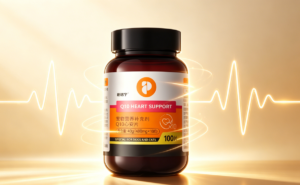
CoQ10 for Pets with Early Heart Enlargement
As cats and dogs age, the heart is often among the first systems to falter, especially in overweight pets and certain breeds with inherited risk. CoQ10, a nutrient that supports heart-muscle energy and protects cells from oxidative stress, is a standard supplement alongside veterinary treatment for heart disease. This guide covers the early signs owners should watch for, why CoQ10 helps, what to look for on a supplement label—real content, independent testing, and proven safety—and how to support heart health day to day. It is nutritional support, not a replacement for prescribed medication.

Bringing Home a 2–6 Month Old Puppy or Kitten: A Complete Care Checklist
A new 2–6 month old puppy or kitten is fragile, and mistakes in the first weeks—too much handling, wrong food, missed vaccines—can cause stress, illness, or worse. Start by letting the pet settle alone for 1–2 hours before gentle interaction; keep the same food it had before (soak kibble if needed) and feed 3–4 small meals a day. Watch the first week closely, since transport can expose them to panleukopenia, cat flu, distemper, or parvovirus on top of stress. The vaccine and deworm timeline matters: deworm first, wait at least 7 days, then vaccinate (dog multivalent from ~45 days, three shots 21 days apart, rabies at 3 months; cat FVRCP from 2 months, three shots 28 days apart, then rabies). Don’t bathe, delay outings until vaccinated, and never feed toxic people foods like grapes, chocolate, coffee, or avocado.

Choosing a CoQ10 Supplement for Your Pet’s Heart
Pets past about seven years old decline fast, and heart disease is among the highest-risk threats: mitral valve disease and dilated cardiomyopathy in dogs, hypertrophic cardiomyopathy in cats. Early signs—night coughing, panting, purple tongue, exercise intolerance—often mean Stage B2 or C, so the B1–B2 window is the time to act. Alongside prescribed medication, many veterinarians suggest a pet CoQ10 supplement for energy and antioxidant protection. But with crowded shelves, how do you choose? This guide explains what a quality formula should deliver: transparent, well-absorbed dosage; a heart–lung–vessel support blend (rhodiola, krill, astaxanthin, taurine, vitamins, grape powder, folate); palatability and safety for long-term use; and which pets benefit most.

Why You Should Think Twice Before Getting a West Highland White Terrier
West Highland White Terriers are curious and energetic, which makes them champion destroyers of furniture, especially if separation anxiety sets in. Their signature white coat needs heavy upkeep: trims every 1-2 months, regular hand-stripping, twice-weekly brushing, and monthly baths. They are also known for sensitive stomachs and skin that flares up with the seasons, so diet changes should follow a gradual 7-day transition to a low-allergen food. Add a stubborn, treat-motivated temper and a purchase price of roughly 4,000-20,000 yuan plus higher grooming bills, and the Westie is best suited to experienced, time-rich owners.