Search Results
1544 results for “dog rest”
How can you tell an old dog is about to give birth?
Before birth, dogs show restlessness, nesting, rapid breathing, milk leakage, and appetite loss. Rectal temperature drops 1°C a day before, then returns; vulva discharges mucus. Prepare a quiet whelping box.
How do you train a dog to hold an object?
Use an interesting item; let it bite and reward when it releases. Then pair with commands 'hold' and 'release' until it understands.

Causes and Treatment of Muscle Strain in Dogs
Common causes of muscle strain in dogs include prolonged or excessive exercise, accidental injury, and lack of warm-up. Warming up before activity lowers the risk. To prevent strains, control exercise duration and intensity. If a strain occurs, relieve symptoms and aid recovery with cold compresses, medication, and rest with limited activity.

Can a Dog Get Sick from Being Rained On?
A dog that gets soaked in the rain can fall ill. Wet fur that is not dried promptly leaves the dog prone to colds, fever, and skin infections, and short-haired and young dogs are especially vulnerable. After rain, towel-dry the body, especially the belly and joints, then use a low-heat dryer; keep the dog's environment dry and warm and watch for sneezing, coughing, or fever.

What Are the Signs of a Bored Dog?
A bored dog may show a blank stare, unusual noise-making, deliberate mischief, withdrawal, or reduced appetite - signs an owner can usually notice. Take them seriously: spend time interacting and playing, and give plenty of attention to relieve the boredom. To prevent it, schedule regular outdoor activity, which does wonders for a dog's mood.
Why Is My Dog Suddenly Acting Strange?
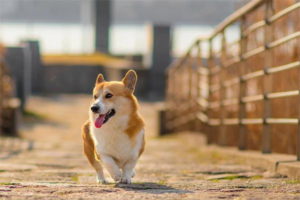
A sudden change often means illness, environment shift, too little exercise or stimulation, or social lack. Sickness shows as low appetite, vomiting, diarrhea, fast breathing—see a vet. Moves or new family members stress them; give security and routine. Boredom from no outlet brings chewing and barking; more play and social time fix it.
How Many Puppies Are in a Dog’s Litter?
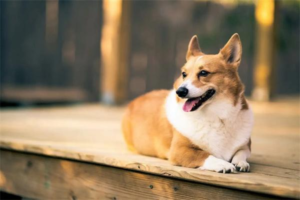
A dog's litter size—usually 2–10—depends on breed, health, timing, environment, and nutrition. Small breeds like Poodles and Chihuahuas have 2–4; large breeds like Labs, Goldens, and German Shepherds have 6–8. The best breeding age is 2–6; good health and nutrition raise both count and quality, while poor nutrition can cause poor ovulation or infertility.

How to Treat Joint Effusion in Dogs?
Joint effusion—fluid building up from joint inflammation—is common and painful; at the first signs see a vet and follow their plan. Causes include arthritis, infection, and structural abnormality. Treatment ranges from anti-inflammatory and pain drugs, physical therapy (heat/cold/massage), and surgery for severe cases, plus joint supplements like glucosamine. Prevent with weight control, moderate exercise, and avoiding joint overuse.
How long does it take a dog’s broken leg to heal?
With prompt treatment, a dog's fracture usually heals in about two months, though the exact time depends on the break, age, and health. See a vet promptly; surgery to realign the bone prevents deformity, while untreated misalignment can cause permanent lameness.

Is a Dog’s Double Row of Teeth Caused by Calcium Deficiency?
Calcium deficiency isn't the only cause, but it matters—calcium aids tooth growth, and low levels can leave baby teeth in place. Small breeds with tight jaws (Boston, Boxer, Chihuahua) and dogs on soft food without chewing are also prone. Fix it with good diet, chew toys, and, if needed, extraction.