Search Results
1544 results for “dog rest”

Why Does a Parrot Fluff Up Its Feathers?
Fluffing isn't always illness — a parrot also fluffs when angry or tired, which is normal. Learn the common causes and symptoms to tell them apart.

What Your Hamster’s Sleeping Positions Mean
Hamsters strike different sleeping poses that signal how secure they feel. This guide interprets the belly-up, sitting, and curled poses, and what each says about your pet's comfort.

Types of Heart Disease in Rabbits
Rabbits can develop several types of heart disease—congestive heart failure, congenital defects, arrhythmias, cardiomyopathy, valve disease, and vascular disease. Most are rare and hard to spot early, so know the signs and don't panic.
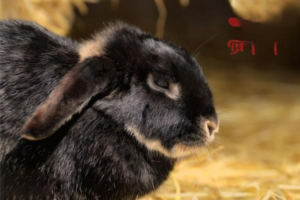
Lop-Eared Rabbits: Pros and How Much They Cost
Lop-eared rabbits are gentle, low-maintenance pets that suit first-time owners. This guide covers their calm temperament, lower upkeep costs, trainability, and styling versatility, plus typical pricing.

What to Do When a Puppy Falls from a Height
Stay calm, check for obvious injury like fractures or bleeding, and watch behavior. Soothe with a calm voice and gentle petting. For bleeding, press with clean gauze; for shallow wounds, clean with mild soap and iodine. For fractures/dislocation, hold steady on a soft pad and rush to a vet.
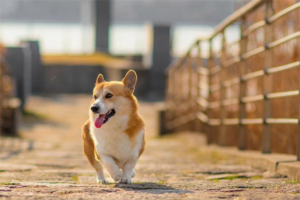
Why Is a Golden Retriever’s Nose Losing Its Color?
A fading nose can be genetic, from low light, season, injury, lack of minerals, aging, parasites, or hormones. Most are harmless; add sun, minerals, deworming, or fish oil, and rule out illness if paired with skin signs.
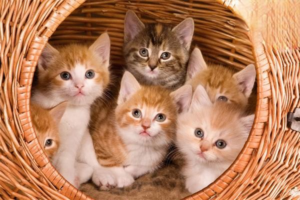
Five Uncommon Cat Breeds
While there are fewer cat breeds than dog breeds, some are famous yet rarely seen because of low numbers or limited regions. This guide introduces five uncommon breeds — the Sphynx, Bengal, Norwegian Forest Cat, American Curl, and Maine Coon.

What to Know Before Owning a Border Collie
The Border Collie ranks #1 in dog intelligence and is beloved, but it has high exercise and training needs. This guide covers daily exercise, vaccines and deworming, feeding, early training, and controlling salt intake.
Not sure if it’s eyelid eversion (ectropion)
From the photo the eyelid is likely not everted yet - it may be a bit loose or the eye socket sunken. A sunken socket usually comes from dehydration, eye inflammation, or lack of rest; judge by the actual situation. Try pet anti-inflammatory eye drops and see if it eases. If eye signs worsen, see a vet.
On the second day home it had diarrhea, was listless, and vomited clear fluid.
Diarrhea, vomiting, and lethargy the second day home are often a stress reaction to a new environment. Give smectite powder and probiotics, keep it warm, and see a vet if unvaccinated or not improving.