Search Results
1544 results for “dog rest”

How to Tell If Your Dog Has a Fever
The most reliable sign of fever is body temperature: a puppy's normal range is about 38.5–39°C, best measured rectally. Watch also for rapid hot breathing, low energy, dry peeling nose, and poor appetite — then confirm with a thermometer.

What to Do When Your Dog Won’t Eat
A dog that suddenly loses interest in food and thins down needs attention—the cause is often diet. Look at weak gut from people food, parasites, internal illness, or learned pickiness. Match the fix to the cause, and never feed a dog like a person.

Why Is Your Dog Throwing Up Yellow Foamy Fluid?
Yellow, foamy vomit points to a gut problem such as gastroenteritis. Withhold food, offer water to settle the stomach, use a vet-formulated anti-vomit remedy, and see a vet if fever or diarrhea appears — puppies need a distemper/parvo check first.

Signs Your Dog Is Dehydrated
Long-term lack of water leads to dehydration and urinary stones. Watch for loose skin, dry nose, sunken eyes, and low energy; offer clean water and a probiotic for appetite, and see a vet for stones.

Should You Dress Your Dog in Winter? The Pros and Cons
Coats keep short-haired, frail, or senior dogs warm and shield fur from dirt and germs — but on long-haired dogs they cause matting, and tight or rough fabric can trigger skin allergies and chafing. Choose loose, comfortable clothing if you dress them at all.

A Winter Care Guide to Keeping Your Dog Warm
Winter warmth is the top concern for dog owners, yet many fall into traps. Meet higher protein needs, keep water and probiotics up, and use rugs, proper clothing for short-coated breeds, and safe sunlight to stay warm.
What are the signs of fever in a dog, and how can I tell if my dog actually has a fever?
The clearest sign is a rising body temperature—measure it with a thermometer placed under the dog's armpit for a few minutes. A reading above 39.2°C confirms fever, after which the dog may refuse food, drink more, or seek cool spots. A canine fever-reducing medication or a vet visit can follow.

How to Prevent Your Dog from Catching a Cold
Most dog colds come from chills — wet fur, seasonal swings, air conditioning, or drafts — and a few from viruses. Warm bedding, avoiding drafts, and staying away from sick dogs and dirty places cover nearly all of it.
What to Do When Switching Dog Food Causes Diarrhea
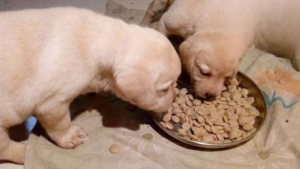
If a food change triggers diarrhea, stop the switch immediately — most cases come from an abrupt transition rather than the new food itself. A 7-day mix-in transition lets the gut adjust gradually and prevents the upset.
Simple Tips to Prevent Dog Diarrhea
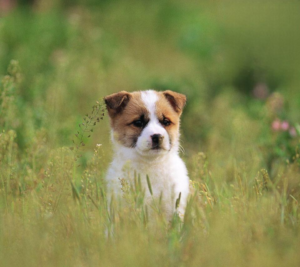
Dog diarrhea is common, but most cases are preventable through steady feeding habits, routine vaccines and deworming, and basic gut support. This guide covers everyday diet management, preventive veterinary care, and simple at-home steps that keep your dog's stomach settled.