Search Results
1544 results for “dog rest”

What to Do When Your Dog Has Recurring Tummy Troubles
Many dogs have sensitive stomachs that react to food that is too hot or too cold, or meals that are too large or too small, leading to diarrhea, vomiting, or constipation. A daily probiotic can help rebalance gut bacteria and support digestion, but it works best alongside sensible feeding habits.

Why Your Dog’s Calcium Supplements Aren’t Working
Calcium fails to help when the body cannot absorb or convert it, often because of poor gut health or a one-sided diet. Fix digestion first with a probiotic if needed, ensure vitamin D and sunlight for absorption, and feed a balanced diet rather than relying on pills alone.

Can Dogs Take Human Fever Medicine?
No, dogs should never be given human fever reducers; many common ones are toxic to them. Tell a fever by temperature, mood, appetite, and a dry hot nose, then cool the dog safely and let a vet choose the right canine medication.

Dog Vomiting Yellow Foam and Not Eating
Yellow, foamy vomit with no appetite can come from a chill or gastroenteritis, and unchecked vomiting risks dehydration. Stop the vomiting, offer small sips of water during a 12-hour fast, and see a vet for gastroenteritis — treat a cold at home with rest and warmth.
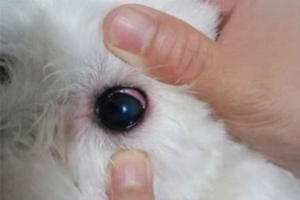
What Eye Drops Help a Dog’s Inflamed Eye?
Dog eye inflammation comes from dust, salty or heating food, ingrown lashes, a cold, or too much rich meat. Signs are tearing, red veins, and possible pus, and a vet eye drop plus diet fixes it.

Can a Healthy-Looking Dog Carry Rabies?
A normal-looking dog is not automatically free of rabies, though the chance it carries the virus is low; rabies is caught from another rabid animal, not made by the body. Routine vaccination is what keeps both dog and owner safe.

Does Every Dog Carry Rabies Virus?
Not every dog carries rabies, most healthy dogs do not, because the virus is caught, not born with. An infected dog usually shows signs within about ten days, and the surest protection is routine vaccination.

What Causes Parvovirus in Dogs
Parvovirus is a severe, highly contagious gut disease in dogs that spreads by contact with infected feces, blood, food, or air, especially in parks and kennels. Puppies show vomiting and diarrhea that can turn bloody, so fast vet care and rehydration are key.

Dog Coronavirus: Treatment and Recovery
Dog coronavirus spreads through contact with infected feces and causes sudden vomiting, diarrhea, and lethargy, with cases able to relapse 14-21 days after signs fade. Supportive care, vet-prescribed meds, and gut-resting food let most dogs recover, but severe cases need a hospital.
Why Your Dog Keeps Vomiting Yellow Foamy Fluid
A dog that repeatedly throws up yellow, foamy fluid usually has poor gut motility from dehydration, irregular feeding, or a bad environment, or it ate too fast, human food, or additive-heavy items that strain the liver and pancreas. Parasites and gastritis (acute or chronic) are other causes; watch energy and appetite, and use a probiotic plus bland food for gastritis.