Search Results
527 results for “dog play bow”

Glycogen Storage Disease in Dogs and Cats
Glycogen storage disease is an inherited metabolic disorder in which a congenital lack of glycogen-splitting enzymes lets glycogen accumulate in the liver, kidneys, and central nervous system. It causes persistent low blood sugar with weakness, seizures, and incontinence, and needs prompt veterinary care to avoid irreversible brain damage.

Lactose Intolerance in Dogs and Cats
Lactose intolerance in dogs and cats is the inability to digest lactose in milk and dairy products because of low lactase activity in the intestinal lining. It causes osmotic diarrhea, abdominal discomfort, and a gurgling abdomen after dairy is consumed, and resolves simply by removing dairy from the diet.
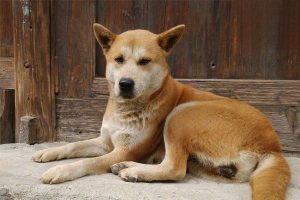
Ulnar Nerve Paralysis in Dogs and Cats
Ulnar nerve paralysis follows direct trauma or prolonged ischemia from lying on one side under anesthesia, causing difficulty walking, bent joints, and a dragged limb. Timely nerve care improves the outcome.
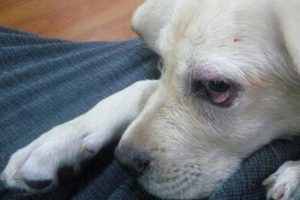
Radial Nerve Paralysis in Dogs and Cats
Radial nerve paralysis leaves the elbow, wrist, and digit extensors unable to function, causing a dropped elbow, knuckled paw, and dragging toes. Forelimb or rib fractures and prolonged pressure from lying down are common causes, and rehabilitation supports recovery.

Polyradiculoneuritis (Acute Polyneuritis) in Dogs and Cats
Polyradiculoneuritis is an inflammation of multiple nerve roots that causes flaccid paralysis, sometimes including the respiratory muscles. Its cause is uncertain but may be autoimmune, and most pets recover over three to six weeks with supportive care.

Myelitis and Meningomyelitis in Dogs and Cats
Myelitis and meningomyelitis are inflammations of the spinal cord and its surrounding membranes, often secondary to infection or trauma. They cause fever, pain, and progressive weakness or paralysis, and treatment must eliminate the underlying cause while controlling inflammation.

Spinal Cord Contusion and Concussion in Dogs and Cats
Spinal cord contusion and concussion are traumatic injuries in which a blow, fall, or underlying bone disease damages the cord without necessarily fracturing the spine. They disrupt nerve signals to the limbs and bladder, and severe cases can cause sudden paralysis or even respiratory arrest.

Concussion and Cerebral Contusion in Dogs and Cats: Symptoms, Treatment, and Prevention
Concussion and cerebral contusion are brain injuries from blows, falls, or car accidents that impair brain function, causing collapse, seizures, and sometimes blindness. Emergency care protects the brain, lowers pressure, and supports recovery, with surgery when bleeding compresses tissue.

Diaphragmatic Hernia in Dogs and Cats: Symptoms, Treatment, and Prevention
A diaphragmatic hernia is an internal hernia where abdominal organs (liver, stomach, intestine) pass through a tear in the diaphragm into the chest. It causes breathing difficulty and is corrected surgically after stabilization.

Pyothorax (Empyema) in Dogs and Cats: Symptoms, Treatment, and Prevention
Pyothorax is pus accumulating in the chest cavity from a bacterial infection of the pleura, causing fever, labored breathing, and a fluid-splash sound. It is treated by draining and flushing the chest and with prolonged antibiotics.