Search Results
801 results for “dog pica”

Desert Cottontail
The Desert Cottontail is a typical wild rabbit distributed across North America. Hardy and numerous, it eats various vegetation and can survive in harsh environments. It digs burrows and usually likes to live in them.

Satin Rabbit
The Satin Rabbit is a large meat rabbit with dense, satin-smooth fur, weighing around 5 kg. Though mainly a meat breed, its cute upright ears make it suitable as a pet too. Proper fattening before marketing maximizes its meat yield.

Palomino Rabbit
The Palomino Rabbit is a large rabbit breed developed in Washington State, originally for meat but kept as a pet for its beautiful coat. Lazy and gentle, it has a strong appetite and needs a spacious cage, a ball-point water bottle, a chew stone, and unlimited hay.

Flemish Giant
The Flemish Giant is the largest pet rabbit breed in existence today, originally from Belgium and later developed through breeding programs in the United States. Though a giant by rabbit standards, it is kept as a gentle family companion, but its large size and hearty appetite make it best suited to owners with plenty of space.
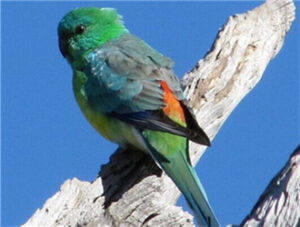
Red-rumped Parrot
The Red-rumped Parrot (Psephotus haematonotus) looks from a distance like a miniature peacock from behind, with beautifully blended multicolored plumage. This parrot is mainly distributed in southeastern Australia.

Chinchilla laniger
The Chinchilla laniger (Chinchilla laniger) is native to the Andes Mountains of South America, where it lives in caves and rock crevices at about 1,600 m elevation. Its appearance resembles that of a rabbit and a squirrel. A special feature is its pair of large, bright, ruby-red eyes, which are beautiful.

Serinus canaria
The Canary (Serinus canaria) is prized for its beautiful, varied plumage and sweet, melodious song, and is regarded in China as one of the most elegant cage birds. Wild canaries differ noticeably in color from captive-bred ones.

Blue-throated Macaw
The Blue-throated Macaw is a native of the tropical Americas and is very similar to the Blue-and-yellow Macaw, sharing the same curious, playful, and friendly personality. With strikingly beautiful plumage and a very long tail, it is a large climbing parrot with a correspondingly large appetite.

Blue-and-gold Macaw
The Blue-and-gold Macaw (Ara ararauna), also called the Blue-and-gold Macaw, is attractive in both color and size. Native to the tropical Americas, it is the most commonly seen macaw on the market and is gentle and affectionate toward people.
How to deworm a Pug?
A Pug can start deworming at 2 months via tablets, injections, or drops. External deworming is suggested monthly; internal is monthly before adulthood and 2-3 months after. Avoid baths 3 days before and after topical drops or sprays so they work. Regularly clean the Pug's environment and items to kill and prevent parasites.