Search Results
1560 results for “dog parasite”
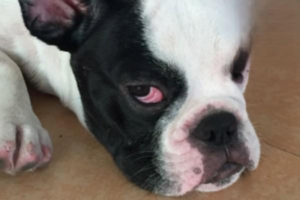
What to Do About a Dog’s Red Eye
A red eye signals inflammation or infection from allergens, bacteria, viruses, or parasites, and can hurt vision. A vet eye drop plus clean surroundings helps; see a vet early for any persistent redness.

What to Do When Your Dog Has Ongoing Diarrhea and Won’t Eat
Persistent diarrhea in dogs usually traces back to cold exposure, parasites, a sudden food change, or illness such as enteritis, parvovirus, or distemper. Treat the cause, keep your dog hydrated, and get veterinary help if symptoms are severe.

What to Do When Your Dog Has Blood in Its Stool
Blood in a dog's stool can come from something mild like a sudden food change, or from serious issues like gastroenteritis, an intestinal tear, or infections such as parvovirus. Match the cause to the right response, and see a vet whenever the bleeding is severe or unexplained.

Treating Dog Diarrhea: Causes and Care
A dog's gut is extremely delicate, so diarrhea is very common — and the right treatment starts with the right cause. Parasites, poor feeding, frequent food switches, chills, or infectious disease each need a different response. Match the care to the trigger, and see a vet for nonstop or bloody diarrhea, since parvovirus may be involved.
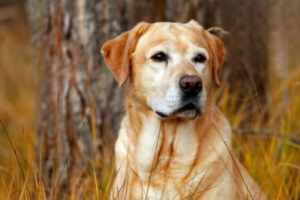
Why Your Dog Keeps Vomiting Yellow Foamy Fluid
A dog that repeatedly throws up yellow, foamy fluid usually has poor gut motility from dehydration, irregular feeding, or a bad environment, or it ate too fast, human food, or additive-heavy items that strain the liver and pancreas. Parasites and gastritis (acute or chronic) are other causes; watch energy and appetite, and use a probiotic plus bland food for gastritis.

What to Do When Indigestion Causes Your Dog to Vomit
Indigestion is the top cause of dog vomiting, and severe cases bring mucus, stomach fluid, undigested food, even blood and diarrhea. Causes are unclean food or bowls, overeating, and sudden food switches. Fix hygiene, fast one to two days then feed bland food, and use a probiotic after a switch.

Why Is Your Dog Vomiting Green Fluid?
Green vomit is uncommon but serious. It can mean gastritis (with prior diarrhea and poor appetite), a heavy parasite infection (thick green fluid with eggs), or cholecystitis — for which there is no specific home drug and a vet is needed. Act fast; delay can be fatal.

Why Is Your Dog Vomiting White Foam and Mucus?
White foam and mucus in vomit usually mean excess stomach acid from acute gastritis, indigestible food, or parasites. Start with an 8-hour fast from food and water; if vomiting and diarrhea continue, see a vet. Switch to a bland diet with probiotics, and check the stool for parasite eggs.

Can a Dog’s Vomiting and Diarrhea Heal on Their Own?
Vomiting and diarrhea in dogs usually trace to diet (human treats like chocolate or milk), a chill, or parasites — and most mild cases improve with probiotics, warmth, and deworming. A new-environment stress reaction calms with a one-day fast; persistent or parasite-driven cases need a vet.

How to Treat Dog Diarrhea
A dog's fragile gut makes diarrhea common, and the right fix depends on the cause: parasites, poor feeding, chills, frequent food switches, or infectious disease. Match the treatment to the cause — deworm for parasites, fix the feeding routine, keep warm for colds, and see a vet for bloody stool or nonstop diarrhea, since parvovirus may be involved.