Search Results
156 results for “dog nose not black”

Why a Dog’s Nose Loses Color in Winter
'Snow nose' is a normal winter fading of nose pigment, not a disease—common in Huskies, Malamutes, Goldens, and Labs. Cold lowers tyrosinase activity, so less melanin is made and the nose lightens; it returns on its own in summer. To keep the black nose, add fish oil or kelp, swap plastic bowls for stainless (plastic can irritate sensitive noses), and get sunlight (UV boosts the enzyme). But easy-snow-nose dogs have little melanin to begin with and burn easily, so avoid summer overexposure and use nose sunscreen.

What to Do If Your Dog or Cat Has Tapeworms
Many species of tapeworms parasitize dogs and cats, and the adult worms seriously harm their health, while the larval stages often use livestock or humans as intermediate hosts, threatening both animals and people. Common species include Dipylidium caninum, Taenia spp., Echinococcus granulosus, Mesocestoides, Spirometra mansoni, and Diphyllobothrium. Infection causes intestinal inflammation, malnutrition, and in severe cases intestinal blockage, with signs like vomiting, diarrhea, weight loss, and odd behavior. Diagnosis relies on clinical signs plus fecal egg exams. Prevention means regular deworming, not feeding raw offal, and controlling fleas. Treatment uses praziquantel (5 mg/kg dogs, 2 mg/kg cats), arecoline hydrobromide, bunamidine, or fenbendazole under veterinary guidance. Because some tapeworms (like Echinococcus) also endanger human health, prompt and correct control matters.
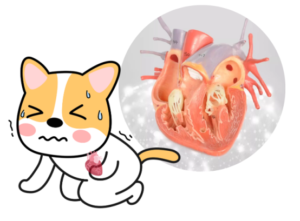
Pet CoQ10 Red/Black List Thinking: Reading the Test Data
About 10% of dogs and 7% of cats develop heart disease in their lifetime, and the early signs are easy to mistake for normal aging or a cold — until diagnosis, when the damage is often irreversible. CoQ10 is frequently advised, but 'which one' is the hard part. This guide separates the real science from the marketing: what CoQ10 actually does, the drug it cannot replace, and the four hard metrics a product should meet.

Chemical Burns in Dogs and Cats
Chemical burns are skin injuries from strong acids, alkalis, or phosphorus. Acids cause a thick, dry, leathery scab; alkalis penetrate deeply; phosphorus keeps burning and glows in the dark. Immediate flushing and veterinary care limit tissue damage.

Symptoms of Demodectic Mange (Demodex) in Dogs
Demodectic mange is a very common skin disease in dogs, caused mainly by abnormal proliferation of Demodex mites. Every species, including humans, has its own mites. Demodex rarely causes disease in cats, horses, cattle, or people because it is not contagious. This article lists the skin signs and the juvenile and adult forms.

What Colors Can Dogs See?
Dogs see fewer colors than people and read the world in yellows, blues, and grays, but they outsee us in dim light thanks to a reflective retina layer. Breed shape tweaks focus and field of view, and any eye irritation needs a vet, not a DIY poke.

Pet Skin Diseases (Part 1): Parasitic and Fungal Infections
Skin disease is common in dogs and cats and tends to flare up and recur, usually because their skin defenses are weak and their surroundings are full of triggers. The two hardest types to clear are external-parasite infestations (fleas, lice, mites, ticks) and fungal infections (ringworm); both cause intense itching, hair loss, and skin damage and need treatment of both pet and environment. Since they are contagious and slow to resolve, early veterinary care and consistent parasite control are the keys to recovery.

Can Cat Hookworms Infect Humans?
Hookworm is a tiny nematode about 1-2 mm long living in the duodenum of the small intestine. It attaches to the intestinal wall with six hook-like teeth and feeds mainly on blood, causing anemia in cats. Hookworm is relatively common in dogs, less in cats.

Feline Eye Diseases and Eye Drops
Feline eye disease is very likely in a cat's life. Some breeds like Exotic Shorthair, Persian, and Chinchilla (flat-faced) are high-risk and may have multiple eye infections.

5 Cat Breeds That Barely Shed
If cat hair is your nemesis, consider the Sphynx, Tonkinese, Bombay, Cornish Rex, or Devon Rex — low-shedding breeds with distinct looks and affectionate natures.