Search Results
156 results for “dog nose not black”

BlackandTanCoonhound
The Black and Tan Coonhound is an American scenthound bred to trail and tree raccoons, working by scent in all weather. Friendly, alert and tireless, it is a confident hunting companion.
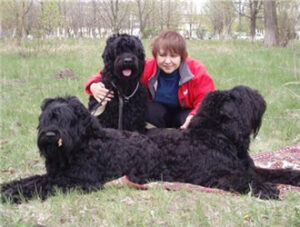
Black Russian Terrier
The Black Russian Terrier is a large, powerful working dog from Russia, confident, brave, intelligent, and reliable. It adapts well to training and makes a devoted guardian for experienced owners.

Old English Sheepdog
The Old English Sheepdog is a large, shaggy British herding dog with a gentle, clownish disposition. Friendly and devoted, it is a beloved family companion and willing watchdog.
What color is a Golden Retriever’s nose?
A purebred Golden Retriever's nose is black, but over time it may fade or turn pink. This is because the nose has melanocytes, and as the dog ages these gradually diminish, changing the nose color. If the nose fades, more sun exposure can help; if it is white, brown, or reddish-brown, the bloodline may not be pure.
My dog started coughing last night, then retching, then vomiting clear sticky fluid with white foam; stool not loose but a bit black; gave anti-inflammatory, anti-emetic, and probiotics; still coughing and vomiting about every ten minutes, sometimes productive, sometimes not
Coughing up white foam is usually phlegm from a respiratory infection caused by chills, bronchitis, tracheitis, pneumonia, or chronic bronchopneumonia; retching may be throat discomfort or gut infection. Have the vet diagnose the cause; if not, try doxycycline for cough, plus pet anti-inflammatory, and keep warm. If weak, poor appetite, lethargic, or feverish, check the lungs and rule out contagious disease.

Why Is Your Dog’s Nose Turning from Black to Pink?
A dog's nose usually turns pink from aging or temperature, but it can also signal disease. Causes range from genetics and vitiligo to dermatitis or abrasion. Improve it with vitamins, safe sun exposure, and seaweed powder—and see a vet if white patches or sores appear.

Black Velvet Chinchilla
The Black Velvet Chinchilla is a chinchilla with a very gentle, likable temperament and curiosity about everything. A highland animal, it is clean and rarely ill. Remarkably, it bathes itself in dust and can manage alone over a weekend without worry of loneliness.

Can Dogs Tell Their Owner’s Gender?
Dogs can tell a person's gender, but not by looks—they rely mainly on scent and voice. No matter how an owner's appearance changes, a dog still recognizes them by smell and sound. To a dog, people have no concept of 'beautiful' or 'plain'; looks simply don't matter. A dog's nose holds about 300 million scent receptors—some 60 times more than a human's—and a vomeronasal organ detects the hormones we give off, so a dog can even sense pregnancy, illness, or a menstrual cycle. What dogs care about is who treats them well, because that is what they remember and return.

What Dog Breeds Are Considered Dangerous or Aggressive?
Dangerous dogs are breeds known for strong aggression, high fighting drive, and difficulty being controlled. Examples include the Tibetan Mastiff, Dogo Argentino, American Pit Bull, Bull Terrier, Saint Bernard, Caucasian Shepherd, Croatian Sheepdog, and more. Because these dogs can threaten people and other animals, they are not recommended for densely populated urban areas, where an out-of-control dog could cause serious injury. Most dogs, however, are deeply loyal to their owners, and dangerous breeds are no exception. Owning one is possible, but only with dedicated, professional training to keep the dog under control. Without the patience and time such training demands, it is best to think carefully before bringing a powerful breed home.

How to Prevent Gastric Ulcers in Dogs
A gastric ulcer in dogs is a chronic sore between the cardia and pylorus that can penetrate the full thickness of the stomach lining, and most cases trace back to serious illness such as kidney failure or tumors. They arise from stress, drug side effects (especially NSAIDs and steroids, with ibuprofen especially dangerous), excess acid, poor feeding, or toxins and other diseases. Signs include vomit that looks like coffee grounds, belly pain, weight loss, and black tarry stools. Diagnosis uses blood work, X-ray, ultrasound, and endoscopy, and treatment targets the cause while curbing acid with antacids and acid blockers.