Search Results
321 results for “dog muscle disease”

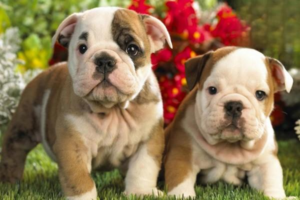
Bulldog
The Bulldog is a medium-sized, courageous, and affectionate dog from Britain with a distinctive wrinkled, loose-skinned face. Despite a fierce look, it is gentle, loyal, and good with children.
Caring for a Dog With Joint Disease
Joint disease needs home rehab after the clinic. Here is how to care for and prevent it.
Dog Patellar Luxation: What It Is
Once a dog has a patellar problem, luxation is likely, so prevention matters. If it happens, see a vet promptly. Here are the symptoms and prevention of dog patellar luxation.
I bathed the dog a few days ago; after that its hind legs were unsteady, and it’s been like this for days. Today it keeps falling and cries out.
Unsteady walking and falling usually aren't from bathing. In puppies it's often nutritional bone-development issues; in seniors it may be arthritis or neurological problems. Hypoglycemia also causes this. See a vet.
What happens if a dog is confined for a long time?
Long confinement can make a dog lonely and bored, leading to anxiety, tension, and depression. It may become over-excited and hard to adapt, showing barking, biting, and furniture scratching. Health issues include stiff joints, muscle atrophy, obesity, and heart disease; lack of exercise and sunlight harms skin and immunity. Long-confined dogs also struggle to bond and may be sensitive and irritable with strangers.
What are the symptoms of myelitis in dogs?
Common signs of myelitis in dogs include stiff neck, arched stiff back, fever, weight loss, and muscle tenderness, later progressing to functional impairment. Most cases are bacterial and need antibiotics; some are immune-related and need corticosteroids to reduce inflammation.
Why does my dog walk unsteadily with its front legs stiff and straight?
Based on your description, the dog has stiff front legs and panting. Causes range widely - bones, muscles, nerves, cardiovascular, or endocrine. Soft-tissue injury from play or walking can cause unsteadiness and, when severe, stiffness. Arthritis brings sharp pain and stiffness, and neurological issues like spinal or cervical injury can also be responsible. See a vet if it persists.
Why Does a Dog Chew Plush Toys?
Chewing plush toys is natural dog behavior that satisfies hunting instincts, exercises the jaw and helps clean teeth. It also relieves stress and anxiety when a dog feels bored or nervous.
What happens if a dog lacks exercise?
Too little exercise risks obesity and hence heart disease, diabetes, high lipids; long lack brings joint disease (stiffness, hip dysplasia, muscle loss). As social animals they also need activity and socialization, so lack causes stress showing as poor appetite, lethargy, barking, biting.
What happens if a dog’s fur isn’t dried after a bath?
Undried fur can: 1) breed bacteria/fungus, lower skin resistance → eczema, ringworm. 2) If then hit by cold air → chills, sneezing, runny nose (respiratory). 3) Long-term damp → rheumatism, muscle pain, joint swelling, mobility issues.