Search Results
697 results for “dog injury”
‘Northern Dog’ Special: How to Treat Frostbite on Your Dog’s Ears
Move a dog with frostbitten ears indoors at once and wrap the body in a blanket (protect core temperature) to stop further cooling. Then apply a towel soaked in 37–38°C water to the ear for 10–15 minutes, repeat after a 5-minute gap, until the ear warms. Don't use a hot water bottle or hairdryer — too much temperature contrast worsens tissue damage. After rewarming, pat dry with sterile gauze and apply a pet moisturizing repair balm (beeswax or shea best), and use an Elizabethan collar or breathable wrap to stop scratching.

How Long Can a Dog with Neuritis Survive?
A dog's survival time with neuritis depends on severity, how quickly treatment begins, and the quality of at-home care — there is no fixed number. Mild cases can recover in 1–2 weeks with prompt treatment, while severe cases affecting the brain stem can be fatal within about a week.

How Do Dogs Show Submission During a Fight?
A dog's submissive behavior during a fight varies with personality, age, and experience. When a dog realizes it is weaker and trusts the other will stop, it may lie down and expose its belly to surrender — but if attacked again, it will get back up and fight. Either way, owners should step in to keep either dog from being hurt.
No Response When Called? 5 Signs of Hearing Loss in Dogs
A dog's hearing is four times sharper than a human's, so hearing loss hurts its quality of life and can put it in danger. Watch for five signs: slow response to everyday sounds (name, doorbell, treat bag, commands); deeper sleep that only breaks when touched; being easily startled because it relies more on sight and stays clingy; poor sound localization (turning the wrong way with one-sided loss); and changed bark volume. Causes range from age (often from 8–10) to ear infections, mites, wax, drug side effects, injury, tumors, or breed predisposition. See a vet early; for age-related loss, use hand signals, keep the environment stable, and try a vibration collar.
Why is the Old English Sheepdog a banned breed?
Its large, hard-to-control size and boisterous nature lead some cities to restrict it; grooming is also demanding.

Why Is Your Dog Suddenly Shivering?
A dog that suddenly shivers may be afraid, over-excited, cold, unwell, or poisoned. Fear and excitement are normal responses that pass on their own, while cold calls for warmth. Persistent or repeated shivering can signal illness such as neuromuscular disease, chronic kidney failure, or distemper, and shivering soon after eating may mean toxin ingestion like chocolate or grapes. Calm a frightened dog, warm a chilled one, and see a vet if the shaking continues, comes with other signs, or follows a suspect meal; teach a 'leave it' cue to stop scavenging.

Summer Dog-Walking Survival Guide (With Heatstroke First Aid)
Dogs have almost no sweat glands and cool mainly by panting, so above 28 C their cooling efficiency drops below a fifth of ours, and asphalt can hit 57 C while a dog's belly, only 20-30 cm off the ground, breathes air 5-8 C hotter. That makes summer walks risky. Walk before 7 a.m. or after 8 p.m. in shaded parks or grass, carry a folding bottle and offer water every 15 minutes, and cap time by breed, short-nosed dogs under 15 minutes in shade, sport breeds rest 5 minutes per 10 of exercise, small dogs under 10 minutes several times a day. Heatstroke can reach organ failure in 30 minutes; early signs are heavy panting, dark purple tongue, thick drool, then staggering and vomiting above 40 C, and seizures or coma with up to 80% death if untreated. First aid: move to shade, wipe groin/armpits/neck with room-temp water, give small sips if awake, keep head low, and rush to a vet.

Heat Alert: What to Do When Hot Pavement Burns Your Dog’s Paws
When it's over 30 C, asphalt can exceed 60 C, and dark surfaces can hit 70 C by early afternoon, so paw-pad burns are a top summer injury. A dog's pads sense heat with a delay and may keep walking despite pain, so the owner must judge safety: press the ground with your hand for 7 seconds, if it hurts you it burns them. Signs include limping, red swollen pads, blisters, constant licking, and yelping. First aid: move off the heat, rinse the pad with cool running water 15 minutes, flush with saline, dab with povidone-iodine (never alcohol), apply a pet burn ointment, loosely bandage, and use a cone. Severe cases with open wounds, bleeding, or black scabs need a vet. Walk before 7 a.m. or after 8 p.m. on grass.
What Types of Dog Collars Are Available?
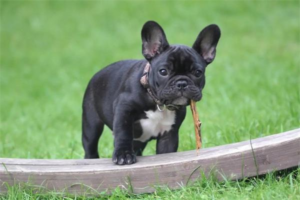
Choosing the right collar matters for every dog owner, both for safe daily walks and your dog's comfort. The market offers a wide variety of options—leather, nylon, metal chain, buckle, harness-style, studded, and even GPS-tracking collars—each designed with distinct advantages. Leather collars are durable and attractive but not water-resistant; nylon is light, washable, and adjustable; chain collars suit strong pullers yet require gentle handling; buckle collars grow with puppies; harness collars are cute and reduce strain; studded collars deter escapes; and GPS collars help recover a lost pet. Matching the collar to your dog's size, breed, and behavior—along with your own preferences—ensures both safety and comfort.

Why Does Your Dog Keep Licking Its Paws?
Frequent paw licking can be boredom, an early sign of interdigital dermatitis or skin infection, a wound, or damp 'athlete's foot'. Long paw fur that stays wet breeds bacteria and leads to interdigital inflammation, so trim and dry the fur and clean the paws after walks. Check for cuts from stones, thorns, or glass, and for parasite or yeast infections that itch. If the paws look normal, the licking is likely boredom, and more playtime helps prevent the loneliness that can slide into depression.