Search Results
131 results for “dog frequent urination”
Started yellow urine in June, no blood, heavy panting while sleeping, poor appetite, refusing water, occasional fainting
Yellow urine, panting, and poor appetite in a dog may indicate an underlying illness and a veterinary visit is recommended as soon as possible. Several conditions can cause these symptoms.
My 3-day-old puppy urinates red after I express it with paper—did that cause infection?
Red urine means blood; in a newborn it may come from a full bladder bursting tiny vessels due to missed stimulation. Stimulate with a damp swab and push fluids; pain or fever suggests infection needing a vet.
How often is normal for a Golden Retriever to urinate?
Urination frequency relates to water intake; a dog generally urinates 5-6 times a day, every 2-4 hours. Younger dogs urinate more. Pale yellow urine with a faint odor means normal elimination. Abnormal frequency or odor may indicate urinary or endocrine disease.
What happens if a puppy gets urethritis?
Urethritis causes painful, frequent, cloudy urination and sometimes blood, with the dog licking the area raw. A vet can prescribe antibiotics and diuretics, and more water helps.
When does an Alaskan Malamute go into heat?
Females usually start at 6-8 months, males about 1-2 months later. Adults heat twice a year, in March-May and September-November, each lasting 6-14 days. Clean the vulva daily and use dog diapers during heat.
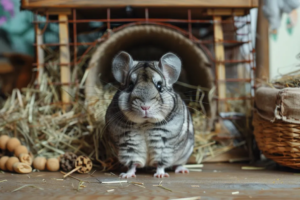
Why Is My Chinchilla Peeing Outside the Litter Box?
Chinchillas may urinate in the wrong places for several reasons—bad habits, low mood, estrus, territorial marking, or an underlying urinary infection. Each cause needs a different response. The key first step is to clean any accident thoroughly so the scent doesn't train your pet to reuse the spot. Feeding on a fixed schedule keeps a hungry or unhappy chinchilla calm, while separating cages and considering neutering curbs marking during heat. If urination becomes frequent or the urine looks dark, a vet check rules out infection.

What Is Diabetes in Cats?
Feline diabetes develops when a cat's body makes too little insulin or responds poorly to it. Without enough insulin, excess sugar spills into the urine and cells starve, sometimes producing toxic ketones. Signs include ravenous appetite with weight loss, dull coat, excessive drinking and urination, and sweet-smelling urine. Diagnosis uses blood and urine tests, while treatment centers on insulin injections, lifelong in most cases. With careful monitoring, diabetic cats can live comfortably for years.

Common Everyday Cat Illnesses (Part 2)
Five more common cat conditions: (1) Panleukopenia (feline distemper) — a fierce, contagious viral disease hitting gut and airways; fever, bloody diarrhea, lethargy, dehydration; high death rate in under-8-week kittens, so vaccinate and rush to a vet at the first sign (lice, mites, fleas can spread it). (2) Cancer — rarer than in dogs but cats hide pain; watch for lumps, non-healing skin infections, weight loss, vomiting, odd urination. (3) Kidney disease — common in seniors; low appetite, weight drop, vomiting, lethargy; needs dialysis or transplant when severe. (4) Fractures — from falls; sudden limping or hiding. (5) Poisoning — from human food or toxic plants; repeated vomiting/diarrhea, blood in stool/urine; vets give fluids and anti-emetics. Don't rely on self-healing—use a trusted clinic.
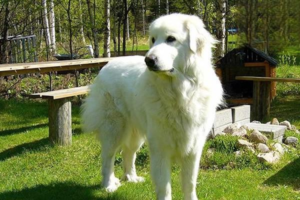
Physiological Traits of Newborn Puppies
Newborn puppies are fragile and depend entirely on their mother. They can't stand at birth, regulate their own temperature, or control elimination, and their digestive and immune systems are still developing — they get early immunity only from the mother's colostrum, which drops sharply after 25 days. Good daily care means a warm, quiet nest, supplemental warming if the mother is absent, scheduled nursing with small frequent milk feeds, and daily checks of elimination. Watch for diarrhea and keep the umbilical area clean and disinfected with iodine to prevent infection.
What happens if my Golden Retriever doesn’t drink water for a day?
Skipping water for a day can dehydrate a Golden Retriever (dry mouth, less urine, dry gums) and, in puppies, even risk kidney strain. Ongoing thirst weakens metabolism and immunity — fatigue, poor appetite, weight loss, and in severe cases danger. Long-term, concentrated urine raises urinary-stone risk. Always provide fresh water.