Search Results
131 results for “dog frequent urination”

Understanding and Preventing Kidney Stones in Senior Pets
Senior dogs and cats are prone to kidney stones, with causes running from meat-heavy, vegetable-poor diets and low water intake to genetics and breed — purebreds are likelier victims. Once formed, stones are hard to cure and quick to return, so prevention leans on more water, a kibble-based diet with less meat and sodium, and more vegetables; only severe cases need surgery, which carries real anesthesia risk in older pets and requires a pre-op blood panel.

When Is Cat Urethral Reconstruction (Perineal Urethrostomy) Warranted?
Many vets push reconstruction and promise no relapse. If a vet promises that, there are two reasons.
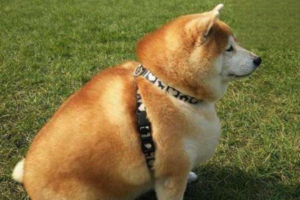
Should You Put Your Pet on a Diet? The Five Harms of Obesity
Obesity in dogs and cats raises risks of heart disease, diabetes, joint damage, anesthesia complications, and urinary stones. Safe weight loss means controlled diet and moderate exercise—never fasting or 'quick fix' methods.

Type 1 and Type 2 Diabetes in Cats
Cat diabetes comes in two types, split mainly by how much the cat depends on insulin. Any cat can get it, but older, neutered, male, and obese cats are more at risk. Learn the causes, signs, and treatment of feline diabetes.
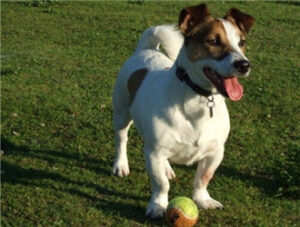
ack Russell Terrier
The Jack Russell Terrier is a small, sturdy, agile working terrier from Britain, bred to fox hunt. Lively, enthusiastic, intelligent, and brave, it is a cheerful companion needing plenty of exercise.
How can I tell that a Samoyed is in heat (menstruating)?
In heat, a Samoyed shows genital swelling, more discharge, darkened vulva, and behaviors like reduced appetite, frequent urination, calling, and seeking males. Use a leash or dog diaper to prevent unwanted mating.
What medication should a female Teddy with urethritis take?
Treatment uses anti-inflammatory/antibacterial and diuretic drugs; mild cases use amoxicillin-clavulanate or ofloxacin. If much discharge or frequent urination, rinse the urethra daily with 2-3% boric acid. Keep the bed clean and disinfected.
What happens if a Golden Retriever drinks too little water?
Too little water makes a Golden Retriever's stool hard and dry, causing constipation, abdominal pain, and reduced defecation. It also concentrates urine and raises the risk of urinary disease such as urethritis, bladder stones, and nephritis, and in heat can lead to heatstroke and dehydration, so ensure ample water.
What Happens If a Golden Retriever Eats Salt Often?
A Golden Retriever that eats too much salt frequently can develop kidney problems such as nephritis or kidney stones, causing frequent urination, urgency, and blood in the urine, which can be life-threatening. Excess salt also raises blood pressure and heart-disease risk.

Common Misconceptions About Feeding Pets
Common feeding mistakes include giving white rice and organ meat (skin and bone problems), fish (choking and urinary stones), cooked bones (intestinal tears), human leftovers (too much salt and oil), long-term raw meat (dental and picky-eating issues), chocolate (toxic to dogs) and milk or raw egg white (diarrhea and vitamin loss). Feed a balanced, species-appropriate diet.