Search Results
546 results for “dog fall”

Should You Microchip Your Dog?
Microchipping a dog is well worth it. A lost dog can be scanned to reveal its owner's contact and address, greatly raising the chance of a safe return, and in some areas a chip is required for the pet license. The chip is rice-sized, injected quickly under the skin of the neck with no anaesthesia, causes only a brief pinch, and stays put far more reliably than a collar tag. It also stores vaccine and health records, helping both reunion and city-wide pet management.

What to Do With Your Dog During the Holidays: Three Boarding Options
When you can't take your dog home for the holidays, you have three main options: home-style boarding, in-home feeding visits, or a professional facility. Sensitive or easily stressed dogs usually do best with someone coming to your home, while outgoing dogs may tolerate a kennel. Whatever you choose, your dog's safety and basic needs come first—prefer people you know and inspect any facility in advance.

Dog CoQ10 Shopping: Four Checks Before You Buy
CoQ10 supports heart-muscle energy, acts as an antioxidant, and helps with stamina, so it is on many senior and small-breed dog owners' radar. But the market is crowded with weak, vaguely labeled products. Before you buy, check four things: real labeled potency, a combined formula, good absorption, and easy, safe feeding. Here is how to read a label and pick a supplement that actually delivers.

CoQ10 for Senior Dogs and Cats: Spotting the Signs and Picking a Reliable Supplement
As pets age, their liver makes less CoQ10, and the heart—which has the highest energy demand in the body—feels it first. CoQ10 helps power heart-muscle cells and limit oxidative stress, so a shortfall can show up as tiredness, coughing, or faster breathing. Knowing the warning signs and what a well-built formula contains helps you choose a supplement that actually supports your senior dog or cat.

Dog CoQ10 Safety: Five Principles and Who Needs It
After a dog turns 7, its own CoQ10 synthesis drops, heart function slips, and you may see frequent panting, low spirits, or night coughing — which is why a pet-specific CoQ10 has become a household staple. But because it goes in the body daily, safety is the bottom line: a wrong choice wastes money or burdens the liver and kidneys. This guide sets out five safety principles and the dogs who actually benefit.
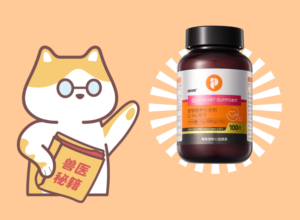
Dog CoQ10 for Seniors and Small Breeds: A Value-Minded Guide
If your dog tires after a few steps, pants often, sleeps longer, or coughs at night, that is not laziness — it is the heart asking for help. Canine heart-disease risk climbs steeply with age (about 10% at 5–8 years, 30% at 8–10, and 45% past 13), which is why CoQ10 is a staple for senior and small-breed care. This guide explains how to judge real value instead of falling for 'cheap' placebos or overpriced imports.

Dog CoQ10 and the Mislabeling Trap: How to Pick a Real One
CoQ10 powers heart contraction, clears free radicals, and slows cardiac aging, so it is a staple for senior dogs and breeds prone to valve disease and enlargement. But without enough actual CoQ10 in the dose, you pay and gain nothing. This guide explains why dose is the bottom line, how brands obscure content, why human CoQ10 is dangerous for dogs, and the three checks that separate a real product from a placebo.

Dog CoQ10 Buyer’s Guide: What Actually Makes a Product Work
CoQ10 supports heart-muscle energy and acts as an antioxidant, but a dog only benefits if the supplement actually contains a real, absorbable dose. With products ranging from a few dollars to several hundred and quality all over the map, the smart move is to judge a product by its label and testing — not by marketing or country of origin. This guide explains how to tell a working formula from an empty one and which dogs are most likely to need it.

CoQ10 for Cats and Dogs: Food Sources, Benefits, and Who Needs It
Coenzyme Q10 (CoQ10, or ubiquinone) is a fat-soluble compound that helps cells make energy and is concentrated in high-demand organs such as the heart, liver, and kidneys. Most healthy pets make enough on their own, but seniors, certain breeds, and pets with heart conditions may benefit from supplementation. This guide covers what CoQ10 does, which foods naturally contain it, which pets are most likely to need a supplement, and the key safety precautions to keep in mind.

How to Choose a Reliable, Budget-Friendly Dog Dewormer
Owners often swing between over-priced imports and risky unlicensed bargains—both can harm the dog. Deworming is non-negotiable: internal worms steal nutrition and damage the gut, while heartworm stays silent until it is serious, and external pests spread disease to people too. This guide explains why deworming matters, the active ingredients by parasite type (including the Collie warning on ivermectin), and how to choose and use a product safely—spectrum, convenience, credentials, correct dosing, and the myths that lead owners astray.