Search Results
546 results for “dog fall”

Why a Dog That Stops Moving in Winter May Have Arthritis
As the deep cold of winter sets in, some owners notice their dog no longer wants to go out or play, blaming the weather, but the real cause may be osteoarthritis. OA affects 30 to 50 percent of dogs and cats and is not only age-related; even young dogs can develop it, with breed, age, sex, weight, and genetics all playing a role. It is a whole-joint disease where cartilage breakdown outpaces repair. Signs include less activity, stiffness after rest, painful swollen joints, and irritability. Management combines weight control, sensible exercise, NSAIDs for pain, and therapy with joint supplements.

Lice on Cats and Dogs: Symptoms, Risks, and Treatment
Lice peak in winter, especially in January, when thick coats let them breed undisturbed. They strike young, stray, and undernourished pets, causing itching, restlessness, hair loss, and in heavy infestations anemia and weakness. Two main types live on pets: blood-feeding sucking lice and coat-chewing lice, each with its own species on dogs and cats. Lice are host-specific and do not infect people, though fleas from pets can. This guide covers the types, the harm they do, how they are diagnosed, and how to treat and prevent them.

What to Do When Your Cat or Dog Has Chronic Constipation, Diarrhea, or Indigestion
About 60 to 80 percent of a cat or dog's immune system resides in the digestive tract, and a healthy gut is the body's first line of defense against pathogens and toxins. When the intestinal flora falls out of balance, pets frequently develop constipation, diarrhea, and poor digestion and become far more prone to illness. Diet, stress, medications, and a naturally smaller microbiome all influence gut health. Probiotics can help restore balance, but most beneficial bacteria are destroyed by stomach acid or by heat during food processing. This guide explains why gut balance matters, what disrupts it, and how to choose a heat- and acid-resistant, high-activity probiotic that actually survives to reach the intestines where it is needed.

What Happens When Dogs Eat Unevenly?
Feeding a dog unevenly, with stretches of hunger followed by overeating, harms its health and happiness. A dog's digestive system needs steady nourishment; frequent starvation and binging strain it, causing indigestion, vomiting, or diarrhea. Long-term nutrient gaps can slow development, weaken immunity, and invite chronic disease, while the starve-binge cycle destabilizes weight. To keep a dog healthy, feed on a consistent schedule, keep portions balanced, and always provide fresh water.

Symptoms and Treatment of Gastroenteritis in Dogs
Gastroenteritis is the general name for acute or chronic inflammation of the stomach and intestinal lining. Because dogs and cats are meat eaters, the causes are many, from bacteria, viruses, and parasites to drugs and bad food, so diagnosis must be precise. Most cases show on-and-off vomiting and diarrhea, with foam or yellow bile in the vomit. A vet should treat it early, with care centered on fasting, fluids, nutrition, and stopping the vomiting and diarrhea.
Why Does Your Dog Stare at You?
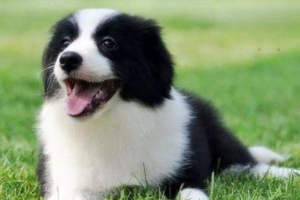
A dog's steady gaze isn't just a stare; it communicates. Your dog may be hoping for a fallen bite, seeking attention, waiting for a command, expressing love, asking for protection, or reading your mood. But a hard stare with tense muscles and a low growl is a warning to look away and back off slowly.

Can You Keep a Dog While Living Alone?
For a nine-to-five worker, the biggest worry is whether you can manage feeding and care, and what a dog does alone all day. The key issue is keeping up with three to four meals a day while a puppy is young; solve that and the rest falls into place. A dog also brings real security and warmth to a solo household.

Common Oral Diseases in Dogs
Many owners struggle with their dog's bad breath and the distress of dental pain. This article shares the common oral diseases behind that odor and how to prevent and treat them. From tartar and gingivitis to periodontal disease, cavities, broken teeth, and malocclusion, understanding the causes is the first step to a healthier mouth.
Why a Dog’s Nose Changes Color
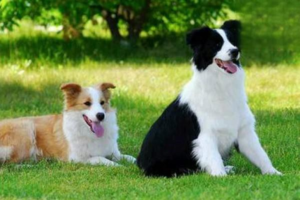
A healthy dog's nose is usually cool and moist, and a warm, dry nose alone doesn't prove illness—waking, hard exercise, heat/cold exposure, or old age do the same. Real fading comes from: age (pink as a pup darkens, then lightens in seniors as tyrosinase and melanin drop); illness or heat (returns after); season—'snow nose' in winter, returning with warmth; trauma (pink while healing); poor nutrition (low melanin); genetics/Dudley nose (permanent, harmless); allergy (contact dermatitis from plastics/metal—use glass/stainless); bacteria (swelling, crusts—vet); and vitiligo (immune, white patches, harmless). Protect a pink nose from sun; see a vet for bloody, foul discharge with weakness.

Can Dogs Drink Alcohol?
A dog's body cannot metabolize alcohol, so for a dog, any alcoholic drink is poison. Whether baijiu or beer, the active agent is ethanol; if ethanol is the main threat to a dog's health, the other ingredients are accomplices—the enzymes in wine, for example. Dogs do not 'like' alcohol; from a dog's view these liquids that help humans forget their worries are just odd-smelling substances. After ingestion a dog quickly shows drunkenness: loss of coordination, drooling, racing heart, low temperature, dropping blood sugar, weakness, even coma. Unlike humans (who often die from aspirating vomit), 99% of dogs die from respiratory failure as the body mobilizes everything to break down ethanol, then breathing slows and stops. The best rescue window is 20–40 minutes—get to a vet, do not induce vomiting at home. Even survivors can suffer kidney, liver, or heart failure. Spirits, wine (grapes are toxic to dogs), and beer (most dogs are allergic to hops) are all dangerous.