Search Results
69 results for “dog fall injury”

How to Handle Cat Scratches and Bites
Being scratched by a cat is common, usually unintended; your own cat rarely bites unless extremely startled. Sometimes a scratch is not on purpose.

4 Common Diseases of Poodles
What diseases do poodles easily get? The top four are bacterial gastroenteritis, skin disease, bone disease and trauma.

Medications and Care for Common Pet Injuries: Fractures, Sprains, Burns, and Wound Infections
Pets can suffer fractures, sprains, burns, bee stings, snake bites, and wound infections, especially outdoors. Prompt first aid prevents infection and permanent damage. This article covers causes, symptoms, and the medications for each.
Two-Month-Old Fell from Second Floor, Eyes Bloodshot, Hind Legs Weak but Sensitive
A two-month-old falling and showing weak hind legs--first X-ray for fractures; if none, it is likely muscle strain or tissue pain, not serious; cage rest and muscle massage. For pain, vet-approved meloxicam and cefadroxil anti-inflammatory; recovers in a week. If lethargic and refusing food, possible internal or head injury--get a detailed check.
How to take a Teddy’s temperature?
Three methods—rectal, subcutaneous, infrared—with falling accuracy. Rectal: disinfect, insert 2.5-5 cm for 3 min with lubricant. Subcutaneous (inner hind leg) reads 1-2°C low. Infrared is inaccurate, not recommended.
What Are the Signs of Depression in a Samoyed?
Depressed Samoyeds become listless and sleepy with poor appetite and weight loss, losing interest even in favorite toys and treats. They spend most of their time sleeping and avoid playing.

Gopher Tortoise
The Gopher Tortoise (Gopherus polyphemus) is a burrowing land turtle of the southeastern United States, strictly herbivorous and protected by law due to its small wild population. Famous for digging deep burrows (11–15 m), it needs a dry, sandy outdoor enclosure with plenty of sunny space.

How to Travel Home with Your Pet for the Holidays
Driving is gentler on pets than shipping, but both require preparation: a health certificate, an airline-approved crate, and a packed kit of food, water, meds, and familiar items. Brachycephalic breeds are often banned from air cargo.
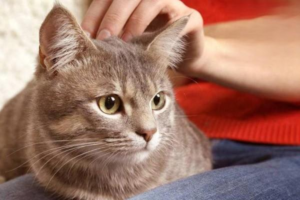
Cat Anatomy and Nutritional Requirements
A cat's body has nine notable parts (limbs, eyes, teeth, paw pads, nose, tongue, claws, whiskers, ears), and its diet needs core nutrients: protein, fat, carbohydrates, water, crude fiber, magnesium, calcium, phosphorus, and taurine. As obligate carnivores, cats need animal-source nutrition.
- « Previous
- 1
- …
- 5
- 6
- 7