Search Results
69 results for “dog fall injury”

Peripheral Nerve Injury in Dogs and Cats
Peripheral nerve injury in dogs and cats results from blunt trauma, falls, tumors, or irritating injections near a nerve, producing partial loss of sensation, weak reflexes, and eventually muscle atrophy. Prompt treatment of the cause and supportive nerve care improve the outlook.

Spinal Cord Contusion and Concussion in Dogs and Cats
Spinal cord contusion and concussion are traumatic injuries in which a blow, fall, or underlying bone disease damages the cord without necessarily fracturing the spine. They disrupt nerve signals to the limbs and bladder, and severe cases can cause sudden paralysis or even respiratory arrest.

Concussion and Cerebral Contusion in Dogs and Cats: Symptoms, Treatment, and Prevention
Concussion and cerebral contusion are brain injuries from blows, falls, or car accidents that impair brain function, causing collapse, seizures, and sometimes blindness. Emergency care protects the brain, lowers pressure, and supports recovery, with surgery when bleeding compresses tissue.

Dilated Cardiomyopathy in Dogs and Cats: Symptoms, Treatment, and Prevention
Dilated cardiomyopathy (DCM) is a heart-muscle disorder in which the ventricular chambers enlarge and weaken, leading to poor pumping, congestive heart failure, and arrhythmias. Large and middle-sized breeds are most at risk, and signs include weakness, coughing, abdominal swelling, and fainting.

Diaphragmatic Hernia in Dogs and Cats: Symptoms, Treatment, and Prevention
A diaphragmatic hernia is an internal hernia where abdominal organs (liver, stomach, intestine) pass through a tear in the diaphragm into the chest. It causes breathing difficulty and is corrected surgically after stabilization.

Splenic Rupture in Dogs and Cats
Splenic rupture is tearing of the spleen from trauma or disease that causes internal bleeding into the abdomen. Signs include severe abdominal pain, pale gums, a rapid weak pulse, and a swollen belly; it is an emergency treated with fluids, blood transfusion, and splenectomy.

Diagnosis and Treatment of Dog Near-Drowning
Near-drowning is defined as survival for more than 24 hours after being fully submerged. This article explains the stages of near-drowning, how fresh and salt water differ, and the diagnostic tests and treatments veterinarians use.

Symptoms and Treatment of Dehydration in Dogs
Dehydration occurs when the body's water falls below normal levels, usually involving loss of water and electrolytes such as sodium, chlorine, and potassium. This article describes the signs of dehydration in dogs, how it is diagnosed, and how it is treated.
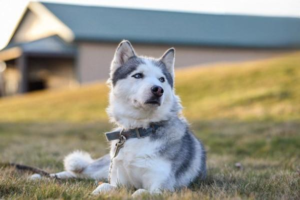
Tips for Caring for an Older Dog
Age is not a disease, but senior dogs need help: add rugs for traction on slick floors, raise food bowls to shoulder height, keep them cool in summer, use car ramps and indoor steps, give an orthopedic bed, and keep both body and mind active with short outings and new games.

Reading White Blood Cell Counts in Canine Parvovirus
In canine parvovirus the white-cell count tracks the stage and the outlook: a rising count with a regenerative left shift means the marrow is mounting a strong response and the prognosis is good, while a falling count — especially below 3.0×10⁹/L and still dropping — points to a poor prognosis. A normal or only slightly raised count, or one with no left shift, shows the marrow has met the body's demand and also bodes well.