Search Results
404 results for “dog eye”

Emydoidea blandingii (Blanding’s Turtle)
Blanding's turtle is a semi-aquatic turtle of the Great Lakes region, gentle and cold-hardy, with a smooth black helmet-shaped shell and a yellow hinged plastron marked with black blotches. It is omnivorous and adapts well to captivity.
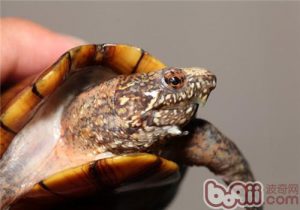
Kinosternon acutum (Tabasco Mud Turtle)
The Tabasco mud turtle (Kinosternon acutum) is a medium-sized mud turtle prized for its vivid head striping, found mainly in the Mexican Caribbean lowlands. It is rarer than the narrow-bridged musk turtle and seldom seen on the market.
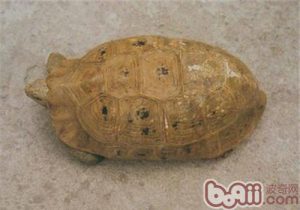
Celebes Tortoise
The Celebes Tortoise (Indotestudo forstenii), also called the Sulawesi tortoise, is a herbivorous land tortoise native to the Indonesian islands. It resembles the Burmese mountain tortoise but grows slightly larger, and is relatively easy to keep in captivity.
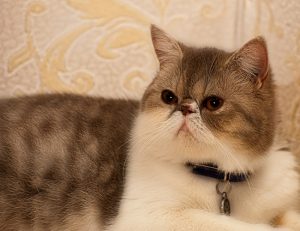
Exotic Shorthair
The Exotic Shorthair — everyone's "Garfield cat" — pairs the Persian's plush look with a short, easy-care coat. Sweet, calm, and affectionate, it's one of the most laid-back cat breeds to live with.

FlemishGiant
The Flemish Giant is the largest domesticated rabbit breed in the world, originally from Belgium and recognized by the American Rabbit Breeders Association in seven coat colors. A gentle, docile, and hearty-eater companion that needs generous space and meticulous hygiene, it weighs 6–13 kg and lives around 5–8 years.
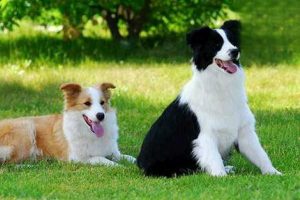
Canine and Feline Brain Tumors
Brain tumors in dogs and cats are most often meningeal or glial tumors that appear in middle-aged to older pets, with some breeds such as Boxers and Bulldogs overrepresented. They compress brain tissue and cause gradually worsening neurological signs including behavior changes, circling, head tilt, blindness, and seizures.
Canine and Feline Nasal Adenocarcinoma
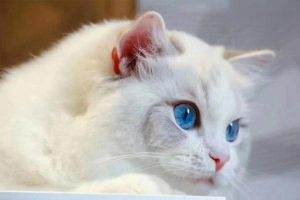
Nasal adenocarcinoma is a destructive tumor of the nasal lining in dogs and cats, producing a bleeding, pus-tinged discharge and gradually destroying the normal nasal structures. There is no reliably curative treatment, and the prognosis is poor.

Canine and Feline Nasolacrimal Duct Obstruction (Epiphora)
Nasolacrimal duct obstruction blocks normal tear drainage in dogs and cats, causing chronic epiphora (tear overflow) and facial staining. Congenital duct atresia usually needs surgical correction, while acquired obstruction from conjunctivitis or injury is managed by treating the underlying cause.

Canine and Feline Glaucoma: Symptoms, Treatment, and Prevention
Glaucoma is raised pressure inside the eye of dogs and cats from blocked fluid drainage, damaging the retina and optic nerve and risking blindness. It is managed with pressure-lowering drugs and, sometimes, surgery.
Canine and Feline Cataract: Symptoms, Treatment, and Prevention
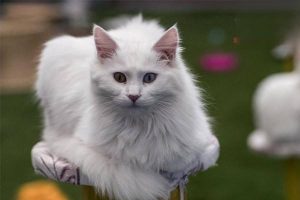
Cataract is clouding of the lens in dogs and cats—often in old age or from diabetes, glaucoma, or toxins—that blurs and can destroy vision. Medicines help early stages, but surgery is the main cure.