Search Results
356 results for “dog eye”
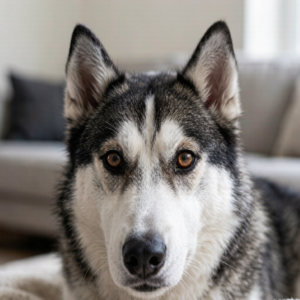
What Colors Can Dog Eyes Be?
Dog eye colors vary widely: brown, black, and blue are most common, while green and gold are rarer, and some dogs show heterochromia, or two different-colored eyes. Color is genetic, but age, health, and environment can change it over time. Puppies are born with light eyes that darken with age. Whatever the shade, each pair is unique, so watch and care for your dog's eyes, cleaning them regularly and seeing a vet at the first sign of trouble.
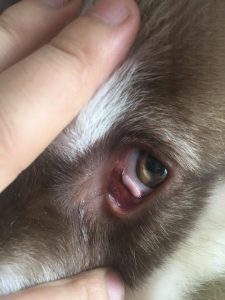
Dog Eyelid Entropion: What to Do
Entropion — the eyelid rolling inward — is usually inherited or age-related and causes pain, tearing, and eye inflammation. Most cases are corrected surgically once the dog's face has matured.
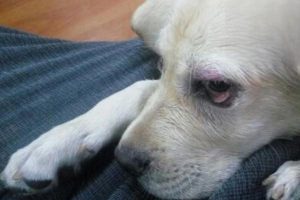
Red, Swollen Dog Eyes That Won’t Open
Red, swollen eyes that will not open can come from heat, a foreign object, infection, eyelid inversion, keratitis, or corneal ulcer. Work out the cause, then use the right drops or see a vet, since some need surgery.

Does More Eye Discharge After Changing Dog Food Mean the Food Is Bad?
Extra eye discharge after switching dog food does not automatically mean the food is low quality — it can be a mild adjustment reaction, a food intolerance, or something unrelated like blocked tear ducts or an ear infection. Some foods are high in salt, and if your dog drinks little, this can cause 'inner heat' with more discharge, bad breath, and dry stool. Rule out the food by checking the label, watching overall health, and if discharge is thick, colored, or lasts over a week, see a vet.

Causes and Treatment of Eyelid Entropion in Dogs
Eyelid entropion is a common eye problem in dogs, often caused by genetics and eye disease. The right treatment depends on how severe it is, and with proper care it can be controlled and managed. Mild cases are usually treated with medication, while severe entropion needs timely surgery. Keeping the eyes clean helps reduce the chance of entropion developing.
What Are the Symptoms of Dry Eye in Dogs?
Dry eye, or keratoconjunctivitis sicca, happens when a dog's tear film produces too few tears or they evaporate too quickly, leaving the eye surface dry, scratched, and vulnerable. It can stem from genetics, hormone imbalance, infection, drug side effects, or injury. Telltale signs include dry, itchy eyes, redness and swelling, frequent blinking or pawing at the face, increased discharge, dulled vision, and even lost appetite from discomfort. Left untreated, it can lead to infection or blindness. A vet confirms it with a tear test (STT) after ruling out conditions like conjunctivitis or corneal ulcers. Treatment ranges from artificial tears, tear-stimulating drops, and antibiotics to physical care such as warm compresses, and in severe or unresponsive cases, surgery like parotid duct transposition. Catching it early protects both comfort and sight.
Can a Dog’s Protruding Eye Be Saved?
A dog's eye bulging from its socket needs urgent veterinary care. Causes range from the fatty pad behind the eye being pushed forward—common in short-nosed breeds like Pugs and Boston Terriers—to tumors, thyroid issues, infection, or trauma. Treatment is either replacing the eye or, in severe cases, removal. Gently clean around the eye before the visit, and keep up regular eye and health checkups to catch problems early.
Why Your Dog Has Tear Staining and Eye Discharge
A healthy dog's eyes are bright with little or no tearing or crust. When discharge increases, it is time to check the eyes, and a careful owner may reach for eye drops. The causes run from simple irritation to structural and whole-body disease, so the pattern of the discharge matters.
Why Dogs Get Tear Stains and Dirty Fur Around the Eyes
Dog eyes connect to the nose, so when the nasolacrimal duct is blocked or swollen by inflammation, tears cannot drain or evaporate and spill out. Tear stains form when tears and other eye discharge sit uncleaned on the fur and oxidize into dark marks - most visible on light-colored coats. Causes split into innate (flat-faced breeds like Pugs, Bulldogs, Exotic and Persian cats have tight ducts), disease (ear infection, entropion, dacryoadenitis, conjunctivitis), and habits (salty food, overlong fur poking the eye). Clean gently with a boric-acid cotton ball or cool water from the inner corner outward, then apply eye drops; genetic stains need patient, regular care.
Why Are Your Dog’s Eyes Red and Swollen?
Dogs are nearsighted and see few colors, but their eyes still reveal a lot about their health. Red, swollen eyes can come from something simple like a speck of dust or shampoo, an allergy to food or the environment, or infection by bacteria, fungus, or parasites after a scratch or fight. Built-in problems also play a role: eyelid malformation (entropion or ectropion) and misdirected lashes rub the eye and cause chronic irritation. Because redness can also signal illness such as a cold or distemper, a vet check is wise when signs persist.