Search Results
303 results for “dog exercise”
The Benefits of Swimming for Dogs—and the Details to Watch
Swimming is one of the safest, highest-value exercises for dogs—it cools them off, burns fat efficiently, and, thanks to water’s buoyancy, strengthens muscles without stressing the joints. That makes it ideal for senior dogs with arthritis or conditions like osteochondrosis, shoulder injury, or cranial cruciate ligament damage. But not every dog is built for the water: small, brachycephalic, very young, or timid dogs can choke and panic if thrown in, and flat-faced breeds like French Bulldogs and Pugs face a far higher risk of drowning, aspiration, and pulmonary edema. This article covers the real benefits of swimming, the dogs that should avoid it, the must-do post-swim drying routine, and how to cap session length to keep the heart and body safe.
Can Swimming Help a Dog with a Luxating Patella?
A luxating patella—the kneecap slipping out of its groove—is common in small and toy breeds and can cause pain and limping. Swimming is often recommended by veterinarians as part of conservative care because water’s buoyancy supports the body and builds hind-leg muscle without loading the joint. However, swimming is therapy, not a cure: the condition is structural (loose ligaments, a shallow groove, or poor alignment) and cannot be reversed by exercise, medication, or massage. Whether swimming helps depends on the grade—mild cases benefit, while severe grades can be made worse. This article explains the condition, how water therapy fits in, which grades should swim and how, and the daily supports (fish oil, chondroitin, avoiding jumps) that protect the joint.

Can a Paralyzed Dog Walk Again?
Paralysis in dogs has many causes, but in some cases a dog can regain the ability to stand with proper care. Follow your veterinarian's advice and give your dog patient, consistent nursing. Treatment and recovery time vary with the cause and severity, so persistence matters and giving up should not be an option. Support rehabilitation through gentle walks, limb massage, and other exercises your vet recommends to help your dog recover as fully as possible.
After the Swim: Preventing Ear Infections, Skin Trouble, and Tummy Upsets in Dogs
Swimming is a great low-impact workout that cools dogs off and supports their joints—but skipping the clean-up afterward can lead to three common problems: ear infections, skin irritation, and digestive upset. A dog’s L-shaped ear canal traps water that shaking alone won’t fully remove, creating a warm, moist space where yeast and bacteria thrive. Thick or double coats that aren’t fully dried breed the same trouble on the skin. And a cold abdomen plus post-swim air conditioning or ice water can upset a sensitive gut. The fix is simple: clean and dry the ears, blow-dry the coat layer by layer (especially armpits, belly, and paw folds), and let the dog rest before any AC, cold water, or rough play—offering a probiotic if its stomach is delicate.
Are Teacup Dogs Easy to Care For?
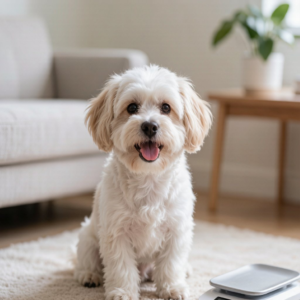
Teacup dogs win fans with their tiny, cute looks and gentle nature, but they're fragile and low-immunity, so they need careful, attentive care. They're sensitive to temperature, so dress them warmly in cold weather, and keep up daily grooming—eye-stain cleaning and coat brushing—to stay clean. Feed a high-quality diet sized to them in controlled amounts to avoid obesity. Though small, their health needs are real: regular vet checks, vaccinations, and deworming are essential. With patience and the right know-how, they bring plenty of joy.
Why Do Dogs Develop Cervical Spondylosis?
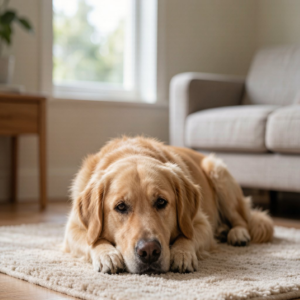
A dog can develop cervical spondylosis for many reasons, including genetics, poor nutrition, holding one posture too long, overexercise, age, and environment. Some breeds with unusual body shapes are more prone to it. Long-term calcium deficiency weakens the bones, making the cervical spine easier to compress and injure. Older dogs are also at higher risk because of bone loss and weaker muscles. This article explains the common causes of cervical disease in dogs and what symptoms and home care look like once it is diagnosed.
Causes and Treatment of Gastric Torsion in Dogs
Gastric torsion, or bloat, is a dangerous emergency seen most in large breeds like German Shepherds and Great Danes, though any dog can be at risk, and it can be fatal without fast treatment. It often starts with overeating or eating too fast, which inflates the stomach; if the dog then exercises vigorously, the full stomach can twist. Swallowing excess air while eating and factors like age, genetics, odd gut anatomy, and changes in abdominal pressure also contribute. Watch for vomiting, a swollen belly, trouble eating, and a hunched back, and rush to a vet at once; keep the dog calm while you get help. Treatment is usually surgery to untwist the stomach and repair the wall, which is stable and rarely recurs, with medication, fluids, and shock care for milder cases. Prevention matters most: feed several small meals instead of one large one, use a slow feeder for fast eaters, and avoid hard exercise right after eating.
What Are the Symptoms of Hip Dysplasia in Dogs?
Hip dysplasia is a common inherited joint disease in dogs in which the hip socket and ball do not fit or wear normally, causing pain, limited movement, and falling comfort. Left unchecked it can worsen to disability. Typical signs include reluctance to run, climb stairs, or exercise; joint swelling after activity; pain shown by difficulty lying down or whimpering; muscle loss from moving less; a limp or bunny-hopping gait; and a grinding sound from the joint during motion. Mild cases are managed conservatively with weight control, limited strenuous exercise, joint supplements, and physical therapy such as massage, heat, or cold packs. Medications like anti-inflammatories, pain relievers, and cartilage repair drugs ease symptoms. Severe cases may need surgery, including hip replacement or femoral head removal, to restore comfort and function. Knowing the signs helps owners act early and care for their dog well.

What to Do If Your Dog Is Too Thin?
A thin dog is most often undernourished, but disease, digestion problems, tumors, or parasites can also cause weight loss that needs veterinary attention. Start with a high-quality, balanced diet suited to the dog's age and activity, add easily digested protein such as cooked chicken, fish, or egg, and feed smaller meals more often to improve absorption. Light daily exercise boosts appetite and metabolism. If good feeding and exercise do not help, or the dog is naturally a slender breed but otherwise healthy, a vet check rules out hidden illness.

How to Treat a Neck Sprain in Dogs
If your dog unfortunately suffers a neck sprain, get it to a veterinarian or emergency pet clinic right away. The vet will choose a treatment based on how severe the injury is, commonly using medication, physical therapy, or surgery. After treatment, the dog usually needs a rest period at home to recover fully, and you should follow the vet's advice for care. Neck sprains can happen from jumps, falls, sudden turns, or pulling too hard on a leash and tight collar. This article explains why sprains occur, the immediate steps to take, and the daily habits that help prevent them.