Search Results
268 results for “dog exercise”
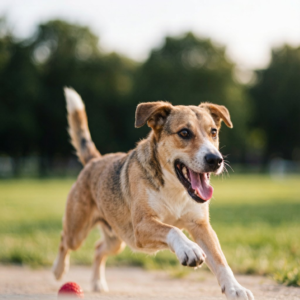
6 Signs Your Dog Isn’t Getting Enough Exercise
A dog's exercise need depends on breed, age, and size. Some dogs play hard outdoors daily; others only stroll the neighborhood—but every dog needs a sensible amount of activity. So how do you know yours is under-exercised? Watch for six signs: destruction (a normally calm adult wrecking the home needs an outlet, not a beating); rough play (an usually gentle dog throwing its whole weight around with others); obesity (too much food, too little movement—common in seniors, though sudden weight gain can signal illness); restlessness (pacing at night, especially in small breeds that still need 10–20 minutes of indoor play); excessive barking (pent-up energy venting as noise); and lethargy (a depressed, uninterested dog). Puppies need several 5–10 minute sessions; adults 30–60+ minutes (or under 30–60 for low-need breeds); seniors 2–3 sessions of about 30 minutes. Remember: for most dogs exercise is a walk, but don't ignore mental stimulation—especially for dogs that can't go out.
How much exercise does a French Bulldog need?
French Bulldogs need only about 30-60 minutes of moderate daily exercise; long or intense activity is unsuitable because of their airways.
My dog’s hind legs are weak and unsteady after yesterday’s exercise
Sudden hind-leg weakness is often low calcium or a foot injury; check for wounds, otherwise supplement calcium under veterinary guidance.

Why Is Your Dog Coughing Without Producing Phlegm
A dry, hacking cough in dogs can stem from many sources, some harmless and some serious. Common causes include respiratory infections, bronchitis, tracheal collapse, kennel cough, parasite infection, and allergies. Some cases ease on their own, but a cough driven by illness needs prompt treatment to avoid worsening. Because the exact cause depends on the individual dog, observe the full picture and consult a veterinarian if you are unsure. Meanwhile, keep the living space clean and limit contact with other dogs to reduce spread and irritation.
What to Do When Your Dog’s Hind Leg Cramps
A dog's hind-leg cramp can come from poor nutrition, overexercise, low temperature, or too little activity and sore muscles. When it happens, gently massage or apply a warm compress to ease the muscle, then rest the dog in a quiet, warm place. Balance the diet, exercise moderately, and keep the environment at a comfortable temperature to lower the chance of cramps.
Do Female Dogs Feel Unwell During Heat?
During heat a female dog may feel some discomfort, often shown as irritability, abdominal pain, and appetite that rises or falls, but it is usually tolerable with no obvious abnormality. If she shows clear distress, consult a vet. She may also roam to find a mate, so supervise her closely during this period.
Caring for Senior Cats and Dogs: A Stage-by-Stage Longevity Plan
Cats and dogs are considered senior at around age 7, when metabolism slows and organ function begins to decline. With staged, careful care, companion pets can live an average of 2–3 years longer. This guide breaks senior care into three phases—ages 7–9, 10–12, and 13 and up—covering diet adjustments, weight control, dental and joint support, stress avoidance, and a sensible checkup schedule. The goal is not expensive supplements but steady, calm, well-planned daily care.

Summer Dog-Walking Survival Guide (With Heatstroke First Aid)
Dogs have almost no sweat glands and cool mainly by panting, so above 28 C their cooling efficiency drops below a fifth of ours, and asphalt can hit 57 C while a dog's belly, only 20-30 cm off the ground, breathes air 5-8 C hotter. That makes summer walks risky. Walk before 7 a.m. or after 8 p.m. in shaded parks or grass, carry a folding bottle and offer water every 15 minutes, and cap time by breed, short-nosed dogs under 15 minutes in shade, sport breeds rest 5 minutes per 10 of exercise, small dogs under 10 minutes several times a day. Heatstroke can reach organ failure in 30 minutes; early signs are heavy panting, dark purple tongue, thick drool, then staggering and vomiting above 40 C, and seizures or coma with up to 80% death if untreated. First aid: move to shade, wipe groin/armpits/neck with room-temp water, give small sips if awake, keep head low, and rush to a vet.
Bad Breath in Dogs and Cats Is Not “Heat”—3 Types to Self-Check
When dogs or cats have bad breath, many owners assume “heat” and reach for cooling teas or herbs—but most pet halitosis is a disease signal, not a temperature issue. A rotten, fishy odor with red gums, tartar, hesitant eating, or drooling points to periodontal disease (over 70% of pets over 3 years); a strong urine or ammonia smell with extra drinking, extra urination, lethargy, and low appetite signals declining kidney function; and a sour, fermented odor with burping, acid reflux, worse on an empty stomach, and soft stool points to gut or liver trouble. Mild breath, teething at 3–6 months, or a meaty diet smell are normal. Severe or symptomatic breath warrants a vet visit—blood and organ checks—not “cooling” remedies.
Is It Normal for Dogs to Eat Poop?
About 80% of dogs that eat feces are showing normal behavior, not a disease or a nutrient deficiency. It is tied to evolution, digestion, and instinct rather than bad hygiene. Mother dogs may eat puppies’ feces to hide scent from predators and keep the nest clean; puppies often copy adults or explore the smell of undigested food. But long-term coprophagia with a thin body, frequent soft stools, or low energy deserves attention. This article separates normal from concerning causes—hunger, poor absorption, anxiety, or attention-seeking—and gives vet-style fixes: prompt cleanup, better diet, probiotics, and more companionship.