Search Results
295 results for “dog eating off ground”
Why Is My Cat Lethargic After Deworming? Normal vs. Emergency
Mild drowsiness and reduced appetite after deworming are usually normal — the low-toxicity drug is metabolizing and the cat may be stressed. These fade within 24–48 hours. But if lethargy lasts over 2 days, or comes with vomiting, diarrhea, breathing trouble, or tremors, it may be an allergy, wrong dose, or hidden illness and needs a vet.
Top 5 Cat Breeds for Women: Looks and Personality Combined
Five cat breeds suit women especially well: British Shorthair (calm, easy), Siamese (talkative, devoted), American Shorthair (sturdy, low-cost), Sphynx (hairless, allergy-friendly), and Munchkin (short-legged, healing). Match by shedding, care difficulty, and personality — and whichever you pick, commit to a safe home for life.

Bichon Frise: Pros and Cons to Consider Before Adopting
The Bichon Frise is a small, fluffy, friendly companion that rarely sheds and suits apartments and families. But it is not the easiest breed to live with: tear stains are almost inevitable, its curly coat needs constant grooming, it is prone to separation anxiety, and its delicate constitution means sensitive digestion and frequent dental issues. Weigh these pros and cons before bringing one home.

Care Tips for Keeping a Border Collie
The border collie is the smartest dog breed, bright enough to outthink its owner, so patience and skill matter in training. As a large, high-energy dog it needs daily exercise, such as frisbee, to burn off energy and avoid destructive behavior. Groom its dense coat twice a day in shedding seasons, train with rewards not force, watch for hereditary issues like eye and hip disease with regular checks, feed by life stage, and deworm and vaccinate while avoiding Collie-sensitive drugs.

Why Pets Gain Weight After Spaying or Neutering
An intact cat's base metabolic rate is about 30 percent higher than a neutered cat's, so the same food leads to faster weight gain after the procedure. Obesity raises the risk of heart disease, diabetes, high blood pressure, arthritis, fatty liver, and more. The fix is diet and exercise: feed timed, smaller, high-protein low-fat meals, drop the treats, and keep moving, with low-impact activity like swimming for joint-prone breeds.

Why Cats Get the “Poop Zoomies”
That burst of speed and chaos right after a cat uses the litter box has a name: the "poop zoomies." It is just a behavior, not a disease, and is common in cats but not dogs. No treatment is needed — though if it knocks things over, move the box somewhere safer. Watch for look-alike conditions: hyperthyroidism in older cats (hyperactive at other times too, eating more but losing weight) or pain on elimination from cystitis or blocked urethra. The zoomies likely trace to a wild instinct — the litter box is the most vulnerable moment, so run fast afterward.
Everyday Flea Prevention and Care for Cat Households
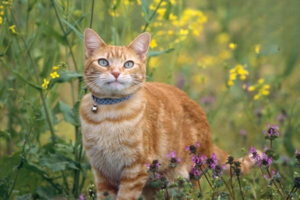
Spring and summer are peak parasite season, and fleas are a common nuisance for cat owners. A cat that scratches constantly may have fleas, mites, allergies, or ringworm — confirm with a Wood's lamp, hair exam, or the classic 'damp tissue test' where flea dirt turns red. These tiny jumpers can produce 250,000 offspring a month, so prevention matters: vacuum cracks and gaps, comb with a flea comb twice weekly, hot-wash bedding, and keep the home dry (fleas like 18–27°C, ~75% humidity). If infected, use monthly topical prevention, treat inflamed skin, and watch for tapeworms passed via fleas.

How to Care for a Pekingese
The Pekingese—also called the Lion Dog or Beijing Dog—is a tiny, sturdy, ancient companion breed with a devoted, loyal nature and relatively simple care needs. Provide a warm, comfortable bed and a steady routine for eating, sleeping, and toileting. Feed a balanced diet of quality kibble plus safe additions like cooked vegetables and lean meats, and avoid onions, garlic, spicy or salty food, cold leftovers, raw meat, and caffeine. Groom daily, clean the eyes, ears, and paws weekly, brush the teeth several times a week, and bathe as needed to prevent skin and parasite problems.
Gould’s Monitor
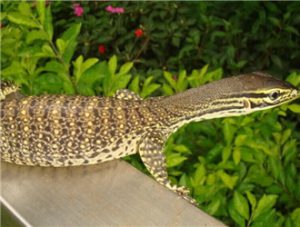
Gould's Monitor (Varanus gouldii), also called the Sand Monitor or Racehorse Goanna, is a large, fast and hardy Australian monitor. When threatened it rears on its hind legs, inflates its neck and hisses; impressive but hard to tame and potentially dangerous as an adult.

Red-headed Side-necked Turtle
The red-headed side-necked turtle (Platemys platycephala) is a flat-headed South American side-neck from the Amazon and Orinoco basins, with a dark orange-red head. Shy and cold-sensitive, it is best kept much like a box turtle.