Search Results
295 results for “dog eating off ground”

How to Stop Your Dog from Eating Things off the Ground
How does a dog explore the world? Beyond smell and sight, the mouth is essential - especially for puppies curious about anything on the floor. Today we look at breaking the 'eat whatever you find' habit.
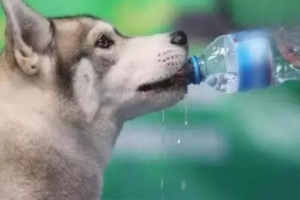
How Much Water Should a Dog Drink a Day?
A puppy needs about 80 ml of water per kg daily and an adult about 100 ml; falling short loads the kidneys and feeds stones and urinary disease. Watch for dry gums, sunken eyes, and dullness as dehydration sets in, and coax drinking with pre-meal sips, walks with water, or a splash of broth.

Pet Vomiting (Part 3): Vomiting from Internal Parasites and Toxicity in Dogs and Cats
Internal parasites living in a dog or cat's gut irritate the intestinal lining and trigger vomiting, sometimes expelling visible worms. Food poisoning causes far more violent vomiting along with seizures and drooling, and demands immediate induced vomiting and gastric lavage. Routine deworming and keeping toxic foods — onions, grapes, chocolate, macadamia nuts — out of reach are the best defenses.

Stop Your Dog from Pulling on the Leash
Leash bolting, or lunging, happens when an under-exercised or off-lead dog suddenly surges ahead and ignores commands. Regain control by staying calm, keeping the lead short, claiming the leadership role, and rewarding the dog for walking at your side.

What Your Dog’s Waste and Walk Reveal About Its Health
Beyond temperature, pulse, and weight, a walk is the best window into your dog's health — watch its gait, expression, and the color and shape of its urine and stool. Red or dark urine can mean bleeding, cloudy urine an infection, shiny urine crystals, and orange urine jaundice; soft, bloody, or black stool points to digestive trouble. Catch these early and bring a fresh sample to the vet.

Winter Dog-Care Myths: Clothes, Heating Pads, Overfeeding, and Boots
Common winter mistakes are dressing every dog (double-coated breeds like Huskies need no clothes), using unsafe heated beds, overfeeding because the dog is less active, and leaving boots on too long, which breeds fungus and warps the gait. Dress only short-haired or single-coated dogs in breathable cotton, and keep portions steady through the cold months.

Common Winter Feeding Mistakes for Dogs
As temperatures drop, many owners overfeed their dogs to 'build winter fat,' but that backfires. The real winter risks are digestive upset from sudden diet changes, pancreatitis from too much meat, obesity from sweets, and dehydration from dry indoor air. Keep portions steady, offer warm water under 20°C, and aim for balanced, smaller frequent meals with regular exercise.

Treating E. coli Infection in Dogs and Cats
Colibacillosis is an acute intestinal infection of young dogs and cats caused by pathogenic E. coli, marked by fever, vomiting, and foul-smelling diarrhea that can turn fatal. It mimics many other diseases (distemper, parvovirus, salmonellosis), so a lab test is needed for diagnosis; treatment is antibiotics chosen by sensitivity testing plus strict hygiene and early colostrum.

Why You Should Leash Your Dog Outdoors
Keeping your dog leashed outdoors is responsibility to others and to your own pet. Off-leash dogs can bite children or the elderly — spreading rabies or tetanus and creating legal liability — get hit by cars, flee in fright, chase other dogs, eat spoiled or poisoned trash, catch parvovirus or distemper from sniffing urine, or be stolen. A leash keeps the dog in sight and out of trouble.

At What Age Can a Dog Eat Canned Food?
Wait until a dog is fully grown before offering canned food — a puppy's gut is too sensitive and canned meals can trigger vomiting and diarrhea. Skip fruit cocktails and don't make cat food a habit; choose dog-specific meat cans as a supplement to kibble, and use meat or dental chews as treats.