Search Results
424 results for “dog eating fast”

Care Tips for Keeping a Border Collie
The border collie is the smartest dog breed, bright enough to outthink its owner, so patience and skill matter in training. As a large, high-energy dog it needs daily exercise, such as frisbee, to burn off energy and avoid destructive behavior. Groom its dense coat twice a day in shedding seasons, train with rewards not force, watch for hereditary issues like eye and hip disease with regular checks, feed by life stage, and deworm and vaccinate while avoiding Collie-sensitive drugs.

Symptoms of Canine Leptospirosis
Leptospirosis is a serious dog disease caused by Leptospira bacteria - also called infectious jaundice or hemorrhagic jaundice - that spreads through skin, mucus membranes, and contaminated food or water, often peaking in summer and early autumn. Two forms stand out: one brings sudden fever, vomiting, dark bile-colored urine, yellow gums, and bleeding, while the other causes vomiting and bloody diarrhea with mouth ulcers and a death rate of 60-80 percent in acute cases. Diagnosis uses microscopy, culture, and blood tests, and treatment pairs antibiotics with liver and fluid support. Clean housing, rodent control, quarantine, and the two-type vaccine are the key preventives.

What Pet Owners Should Know About Rabies
Rabies is a viral disease that infects dogs, cats, and people, and because a rabid dog can harm humans, it demands serious attention. The virus travels along nerves to the brain after a bite, and once signs appear the outcome is almost always fatal. Prevention through vaccination and prompt wound care is the only real defense.
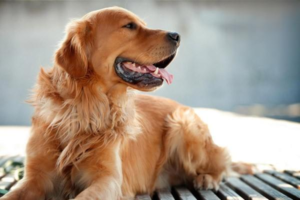
Why Pets Gain Weight After Spaying or Neutering
An intact cat's base metabolic rate is about 30 percent higher than a neutered cat's, so the same food leads to faster weight gain after the procedure. Obesity raises the risk of heart disease, diabetes, high blood pressure, arthritis, fatty liver, and more. The fix is diet and exercise: feed timed, smaller, high-protein low-fat meals, drop the treats, and keep moving, with low-impact activity like swimming for joint-prone breeds.
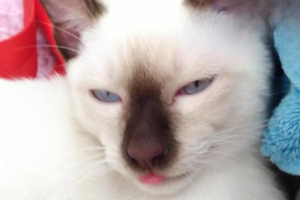
Why Cats Get the “Poop Zoomies”
That burst of speed and chaos right after a cat uses the litter box has a name: the "poop zoomies." It is just a behavior, not a disease, and is common in cats but not dogs. No treatment is needed — though if it knocks things over, move the box somewhere safer. Watch for look-alike conditions: hyperthyroidism in older cats (hyperactive at other times too, eating more but losing weight) or pain on elimination from cystitis or blocked urethra. The zoomies likely trace to a wild instinct — the litter box is the most vulnerable moment, so run fast afterward.
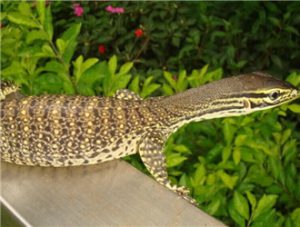
Gould’s Monitor
Gould's Monitor (Varanus gouldii), also called the Sand Monitor or Racehorse Goanna, is a large, fast and hardy Australian monitor. When threatened it rears on its hind legs, inflates its neck and hisses; impressive but hard to tame and potentially dangerous as an adult.
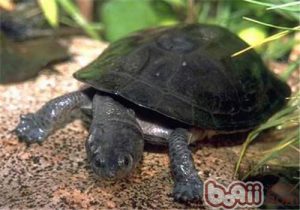
Mesoclemmys Turtle
The Mesoclemmys turtle is a little-known, wide-ranging South American species that has been largely overlooked by both researchers and hobbyists. A small, secretive turtle inhabiting shaded forest streams, it remains rare in the pet trade.
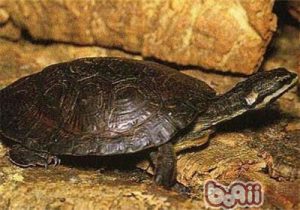
Phrynops williamsi
Phrynops williamsi, also called the Masked Toadhead Turtle, is a side-necked turtle from South America that loves basking and is semi-aquatic in the wild. Lively and relatively easy to keep, it remains uncommon in captivity and is found mainly as wild-caught individuals.
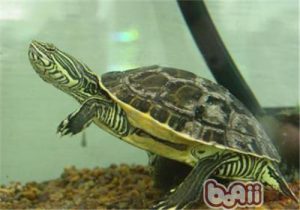
Eastern Chicken Turtle
The Eastern Chicken Turtle is uncommon in China, as its plain appearance is not popular, and as a tropical species it is rare in cold regions.

Do Cats Fart?
Cats do pass gas, usually silently and nearly odorless. Diet is the usual cause of smelly, frequent gas, but pairing it with appetite loss, vomiting, or diarrhea means a vet visit.