Search Results
487 results for “dog ear cleaning”
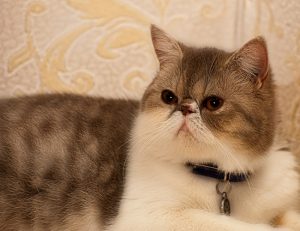
Exotic Shorthair
The Exotic Shorthair — everyone's "Garfield cat" — pairs the Persian's plush look with a short, easy-care coat. Sweet, calm, and affectionate, it's one of the most laid-back cat breeds to live with.

FlemishGiant
The Flemish Giant is the largest domesticated rabbit breed in the world, originally from Belgium and recognized by the American Rabbit Breeders Association in seven coat colors. A gentle, docile, and hearty-eater companion that needs generous space and meticulous hygiene, it weighs 6–13 kg and lives around 5–8 years.

Canine and Feline Gingival Epulis
A gingival epulis is a non-cancerous growth arising from the periodontal ligament, most often in dogs over six years old. It causes bad breath, ulceration, and bleeding, and is managed by surgical removal before it damages surrounding bone.

Canine and Feline Otitis Externa
Otitis externa is inflammation of the outer ear canal, commonly triggered by ear mites, foreign material, or improper cleaning that lets bacteria or fungi take hold. Treatment means cleaning the canal and tackling the underlying cause, with surgery reserved for chronic, end-stage cases.

Canine and Feline Aural Hematoma
An aural hematoma is a pocket of blood that forms between the skin and cartilage of the ear flap, usually triggered by vigorous head shaking or scratching. Small collections may be drained, but most require surgery to prevent a permanently scarred, thickened ear.

Canine and Feline Blepharitis: Symptoms, Treatment, and Prevention
Blepharitis is inflammation of the eyelid margin in dogs and cats, usually from bacterial or fungal infection of overactive glands, causing redness, crusting, and often conjunctivitis. It is treated by cleaning the lid and controlling infection.

Canine and Feline Interdigital Pyoderma: Symptoms, Treatment, and Prevention
Interdigital pyoderma is a painful bacterial infection between the toes of dogs and cats, causing swelling, redness, moisture, and foul odor, sometimes with draining tracts. It often follows a moist environment, mites, or blocked follicles, and needs thorough cleaning plus veterinary-directed antibiotics.

Bichon Frise: Health and Care Considerations Before You Adopt
The Bichon Frise is a gentle, low-shedding companion dog, but prospective owners should know its common care needs: pronounced tear staining from shallow tear ducts, a coat that mats and pulls the skin, separation anxiety, a sensitive stomach, and dental issues. Meeting these needs keeps the dog healthy.
How can I keep my Bichon Frise from smelling bad?
The Bichon Frise is a clean small breed that shouldn't smell much. A strong odor usually comes from infrequent bathing, bad breath, blocked anal glands, or earwax buildup. Regular baths and brushing, teeth brushing 3x/week, weekly ear cleaning, and routine anal-gland expression plus daily exercise keep odor away.

How to Travel Home with Your Pet for the Holidays
Driving is gentler on pets than shipping, but both require preparation: a health certificate, an airline-approved crate, and a packed kit of food, water, meds, and familiar items. Brachycephalic breeds are often banned from air cargo.