Search Results
487 results for “dog ear cleaning”

So Much to Know About Cleaning a Dog’s Ears
Today we learn how to clean a dog's ears and why. You may not believe it, but a dog's ears can't self-clean; human wax eventually works out on its own, while a dog's complex canal needs you.
My 45kg Alaskan Malamute, almost 3, recently in heat and got demodicosis; ears are dirty and itchy after cleaning. A chewable worked then relapsed and worsened; eyes/mouth/feet have purulent crusts. Heard doramectin helps but unsure if safe for long-haired dogs and timing with the chewable.
Confirmed demodicosis is treated orally, by injection, or medicated baths. After relapse, a second deworming plus ivermectin injection is an option; dose by vet to avoid toxicity. Alaskans are NOT collie-type, so ivermectin is safe. Medicated baths and vitamins help; clean the environment.

Treating and Preventing Otitis Externa in Dogs
Effective treatment of dog ear infections starts with a deep clean and then targets the cause—parasites, fungi, bacteria, allergies, or growths—while severe cases need a vet. Prevention is simpler: don't over-bathe, keep the ears dry, and deworm and disinfect the environment on schedule.
Do Female Dogs Get Periods? Caring for a Dog in Heat
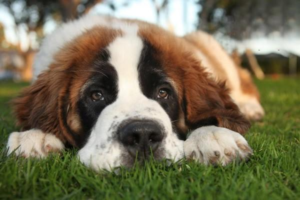
Most dogs have their first heat around six months of age, with the cycle lasting roughly two weeks. During this time immunity dips and the dog draws unwanted attention, so keeping her clean, calm, and contained is what gets you both through it.
Treating Cellulitis in Dogs
Cellulitis is a common dog skin infection, more likely in Goldens and Huskies. Mild cases show red, painful swelling; severe ones can press on the airway or turn necrotic, and treatment means clipping, cleaning, drawing out pus, and iodine care.
How to Prevent and Clean Dog Tear Stains
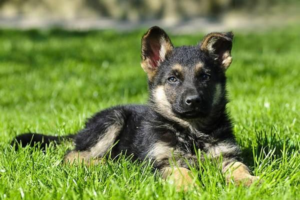
Tear stains form when excess tears overflow the nasolacrimal duct, and the iron in porphyrin turns them rusty red. Short-faced and light-coated breeds are most prone; manage them through grooming, diet, and treating the root cause like infection or allergy.
Body Parts You Shouldn’t Over-Wash on Your Dog
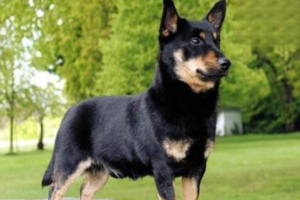
Dogs have spots that suffer from too much washing, ears, nose, anal glands, skin, and paws. Over-cleaning strips protective wax, mucus, oils, and the self-cleaning ability, raising infection and dryness risk, so clean gently and only as needed.
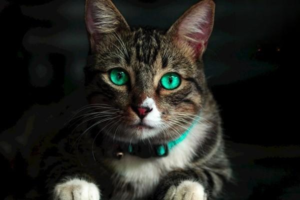
How to Clean Your Cat’s or Dog’s Ears
A buildup of ear wax or ear mites usually means cleaning has been neglected. A regular routine keeps the canals clear of dirt and moisture, prevents infection and parasites, and only takes a few gentle steps.

What Happens If You Don’t Dry Your Dog After a Bath
Skipping the dryer after a bath lets moisture sit on the coat, which oxidizes light fur into yellow or red stains and lets fungus thrive in the dampness, causing skin infections. In winter it invites chills and dangerous colds — especially for puppies and seniors — so always blow-dry thoroughly, and wait until vaccines are done for new pups.

How to Express Your Dog’s Anal Glands Correctly
The anal glands are two small sacs at roughly the 4- and 8-o'clock positions around the anus that release a foul fluid; when they back up they cause sacculitis, odor, and infection. Express them about monthly by pressing upward and inward at those spots — wear gloves, and see a vet if the fluid is bloody or won't come out. Small dogs and meat-heavy eaters clog more often.