Search Results
487 results for “dog ear cleaning”

Why Is My Dog’s Tooth Loose?
A loose tooth in a dog can be perfectly normal or a sign of trouble. Puppies naturally lose their baby teeth as adult teeth come in, while senior dogs gradually lose tooth stability as the surrounding periodontal tissue weakens, a change that cannot be reversed. In adult dogs, however, a loose tooth is more often caused by dental disease such as gingivitis, periodontitis, or tartar buildup. Poor diet also plays a role, since soft or moist food leaves more residue that feeds bacteria. Finding the underlying cause is essential, because loose teeth from disease need veterinary cleaning, antibiotics, or extraction to prevent wider infection.

What Are the Symptoms of Dry Eye in Dogs?
Dry eye, or keratoconjunctivitis sicca, happens when a dog's tear film produces too few tears or they evaporate too quickly, leaving the eye surface dry, scratched, and vulnerable. It can stem from genetics, hormone imbalance, infection, drug side effects, or injury. Telltale signs include dry, itchy eyes, redness and swelling, frequent blinking or pawing at the face, increased discharge, dulled vision, and even lost appetite from discomfort. Left untreated, it can lead to infection or blindness. A vet confirms it with a tear test (STT) after ruling out conditions like conjunctivitis or corneal ulcers. Treatment ranges from artificial tears, tear-stimulating drops, and antibiotics to physical care such as warm compresses, and in severe or unresponsive cases, surgery like parotid duct transposition. Catching it early protects both comfort and sight.

What Causes Periodontitis in Dogs?
Periodontitis is a common and painful dental disease in dogs, driven by a mix of physical, fungal, bacterial, and metabolic factors. Physical causes include chewing on fish bones, wire, or other sharp objects that injure the mouth, while fungal infections such as Candida or Blastomyces and bacterial overgrowth can trigger necrotizing ulcerative gingivitis. Metabolic problems like diabetes, kidney disease, dehydration, and hypothyroidism also raise the risk. Affected dogs show bad breath, drooling, swollen or receding gums, loose teeth, and sometimes pus. Diagnosis combines an oral exam with dental X-rays, and treatment requires professional cleaning or extraction under anesthesia plus ongoing home dental care.
How Often Should You Bathe Your Dog in Summer?
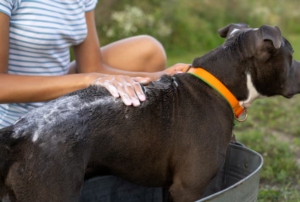
Bathing your dog once a week is usually too often. A dog's skin relies on its sebum layer to stay moist and protected; over-bathing strips it, causing dryness, worse odor, and skin infections. Frequency should follow coat type and lifestyle—indoor small dogs may need only every two to three weeks, while active outdoor dogs can go weekly. Between baths, wipes, toothbrushing, and ear care keep odor down.

How to Prevent Folliculitis in Dogs
Folliculitis—red, flaky, itchy skin with hair loss—is common in long, short, and hairless dogs alike, but you can lower the risk. Keep the skin clean with dog-specific, lukewarm baths at the right frequency (over-bathing damages the barrier); check the coat and skin weekly for redness, sores, or bald patches; feed quality, balanced food and skip table scraps that trigger obesity and hormone issues; give outdoor exercise to boost circulation and immunity; avoid over-brushing or over-clipping that breaks the skin barrier; and control external parasites with regular deworming. For a dog already affected, keep its space dry and clean, use gentle products, and see a vet promptly for severe signs like pus or intense itching—treatment is usually antibiotics, anti-inflammatories, or topical antiseptics.

Treating Cat Ear Mites: Cleansers, Medicine, and the Full Protocol
When a cat scratches its ears and shakes its head with dark waxy discharge, ear mites are the likely cause. A cleanser alone only removes debris—it does not kill the mites. Real recovery needs cleaning plus a miticide and a deworming spot-on, done in three rounds. Here is the full, safe protocol and what to look for in an ear cleanser.

Why Does Your Dog Bite Your Pant Legs? (And What It Means)
When a dog grabs and tugs at your pant leg, it is rarely out of spite. Most often the dog is trying to get your attention, invite you to play, or signal a need such as an empty food bowl. The swaying fabric can also trigger an inherited prey drive, since a moving pant leg looks like something to chase. In some cases—especially when you pick up keys or put on shoes—it signals separation anxiety: studies show a large share of dogs chew scent-bearing items to soothe themselves when they sense you are leaving. The fix is consistency: ignore the behavior, reward calm following, offer chew toys, and meet the dog's exercise needs. Understanding the motive behind the bite is the first step to changing it, and learning your dog's other body-language cues helps you bond.

Does Your Dog Have Bad Breath?
Picture never brushing your teeth - that is a dog's mouth. Oral disease is 70-80% of pet health issues, built slowly from food, saliva and bacteria forming plaque that mineralizes into tartar; the warm mouth breeds infection, gums recede and teeth break down, then bacteria enter the blood to reach the heart, liver and kidneys, even sepsis. If disease is already there, a pro must scale and clean under the gumline, then polish - unpolished teeth erode faster. Many clinics now offer anesthesia-free cleaning for mild tartar using imported devices. Daily prevention is cheapest: a grooming-visit dental cleanup, store-bought dental gel and water additive (a few dollars a month, well reviewed and safe), and dental chews or antler chews. Do not wait until treatment is costly.

Solving Dog Bad Breath
Dogs cannot brush or floss themselves, so food lingers, ferments and smells; over time bacteria build into plaque and tartar, the real source of odor. Fight it: wipe teeth with a soft towel or gauze and use a cotton swab with garlic juice for residue between teeth; use a dog toothbrush and pet paste (not human paste, which upsets the gut) brushing every surface, patiently easing a resistant dog in. Feed vitamin- and fiber-rich veggies and crisp dog biscuits or chews that scrub the teeth - Pekingese fed only soft meat miss needed wear. Have the vet check and scale when needed; bad teeth bring strong odor and hurt appetite and nutrition.

Why Dogs Have Bad Breath and Tartar
Bad breath usually traces to tartar: poor eating habits and no dental care let plaque calcify into tartar. Scraping it at home with a dental scaler is not advised - few owners can control the dog through the whole process, and mistakes harm the gums. Better to have the vet scale once, then prevent daily with mouthwash, brushing or diet. Untreated tartar worsens breath and causes stomatitis, ulcers and red gums that block eating, and plaque harms the heart and kidneys. Prevent with daily (or every-other-day) brushing using dog toothbrush and paste, finger-wrap if the dog resists, and chewing toys; severe cases may need prescription food.