Search Results
5713 results for “dog ear CT”

Why Does My Dog Get Diarrhea After a Food Change?
Diarrhea after switching food usually means the change was too abrupt, not that the new food is bad — a dog's gut adapts poorly to sudden new ingredients. Stop the new food, return to the old diet with probiotics until stools firm up, then transition over seven days by mixing in gradually larger shares of the new food.

What to Do When Your Dog Has Interdigital Dermatitis
Interdigital dermatitis — inflammation between the toes — comes from fungi, bacteria, or mites and rarely heals on its own, so treat it early. Mild cases need clean, dry paws; worse ones need soaking, draining, and a pet wound spray. Prevention is mostly about keeping the feet dry, trimming paw fur, and not caging the dog on wet bars.

When Do Female Dogs Get Their Period?
A female dog usually reaches sexual maturity around 6–8 months and comes into heat then, with bleeding starting 7–10 days after the heat begins and lasting about two weeks. Signs include a swollen vulva with light discharge, frequent licking, and clinginess; a first heat means sexual but not full physical maturity, so breeding should wait.

First Aid for a Poisoned Dog
Dog poisoning shows up three ways — swallowed toxins (vomiting, tremors, dilated pupils), inhaled ones (collapse, drooling, breathing trouble), and skin contact (swelling, frantic scratching). While rushing to a vet, you can induce vomiting within 30 minutes of eating, move the dog to fresh air, wash the contaminated coat with soap (except for trichlorfon), and wrap it warmly.

Why Does My Dog Sleep Belly-Up?
A dog that sleeps belly-up — all four legs in the air — is usually signaling total trust and comfort, or just trying to cool off, or inviting a belly rub. The opposite posture, curled or on its side with rapid breathing, trembling, and refusing touch, points to discomfort and deserves a vet check if other symptoms appear.

Symptoms and Treatment of Canine Distemper in Dogs
Canine distemper is an acute, deadly contagious disease with a 3–6 day incubation. Early signs are poor appetite, lethargy, thickened paw pads, nasal discharge, cough, fever, vomiting, and diarrhea; middle stage adds refusal to eat and pus from eyes and nose; late stage brings neurological signs — foaming, seizures, collapse — and is usually fatal. Early treatment with hyperimmune serum and good nutrition saves many; late neurological cases are beyond meaningful help.
Why Does My Dog’s Poop Smell So Bad?
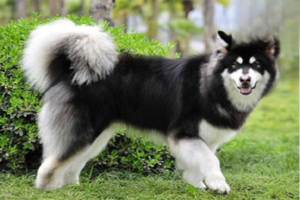
Dog stool is naturally a little smelly, but truly foul poop signals a digestive problem — rich or messy food, weak gut function, constipation, spoiled food, or even parvovirus or coronavirus. First simplify the diet and check the kibble for spoilage, then add water, exercise, and probiotics; if appetite, vomiting, or lethargy appear, see a vet.

How to Recognize Acute Gastroenteritis in Dogs
Acute gastroenteritis shows up as soft, watery, sometimes bloody stool; a hunched back from abdominal pain; repeated vomiting; and, when a virus is involved, fever and lethargy. Get the dog to a vet promptly to rule out distemper, parvovirus, or coronavirus, then support with fasting, fluids, anti-emetics, and gut antibiotics.
What to Do About a Dog Barking at Night
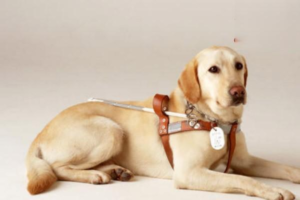
Night barking strains neighbor relations, and the fix starts with knowing why: demand, alert, or simply answering other dogs. Burn off energy with daily exercise, ignore attention-seeking barking, and redirect with toys or treats once the dog is quiet—consistency beats confrontation.

How to Prevent Car Sickness in Dogs
Many dogs get carsick, but the problem eases with gradual training: lure the dog into the car, take short smooth rides with fresh air, and build up distance. For stubborn cases, give a pet motion-sickness remedy and limit food before travel. If sickness hits, stop for fresh air and clean up gently—and don't take unwell or pregnant dogs on long trips.