Search Results
888 results for “dog diet”
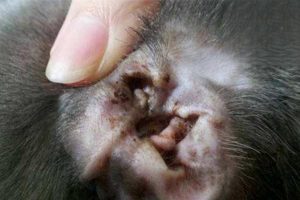
How to Clear Cat Ear Mites Quickly
Ear mites spread cat-to-cat and thrive in unclean, damp ears. Clear them with daily ear cleaning plus a topical dewormer, support the cat's nutrition, and disinfect the home. Consistency — not one-off treatment — is what works.

What to Do When a Puppy Won’t Eat
A healthy dog can skip food only so long; refusal usually means pickiness, illness, or gastritis. Fix it with set meal times, more exercise, and regular deworming — and see a vet if fever, vomiting, or diarrhea appear.

Can a Young Puppy Have Rabies?
Puppies under three months carry their mother's antibodies and are unlikely to have rabies, but after that, unvaccinated pups can. Annual shots and avoiding unknown animals are the safeguard.

Schnauzer With Bumps and Scabs on the Skin
Bumps and scabs on a Schnauzer's skin usually point to a parasite problem or a fungal or bacterial infection. Small affected areas can often be managed at home with gentle cleaning and a vet-recommended spray, but widespread or worsening lesions need a vet visit.

What to Do When a Puppy Has Pus-Like Eye Discharge
Pus-like eye discharge in a puppy can mean a bacterial eye infection, dehydration from gut or systemic illness, or simply a diet too rich and salty. Match the cause to the treatment: gentle food and vitamins for dietary heat, antibiotic eye drops for infection, and prompt vet care for underlying disease or eyelid problems.

How to Treat Fungal Skin Infection in a Puppy
Fungal skin infection in puppies is common, slow to clear, and easy to confuse with other conditions — poor nutrition, a dirty environment, or careless grooming all raise the risk. Signs include circular hair loss, scaly patches, pimples, and relentless scratching. Treat with medicated baths, an antifungal spray, and a repair ointment, while boosting nutrition and keeping the environment clean.

How to Treat Skin Disease in a Poodle (Teddy)
Poodles have dense, curly coats that trap moisture and parasites, making them especially prone to mite-driven skin disease in hot weather. Red, itchy bumps, hair loss, and constant rubbing against furniture signal infection. Treatment pairs a topical parasiticide with an oral dewormer, plus a medicated ointment for severe cases, and omega fish oil to aid coat recovery.

How to Treat Red Bumps on a Labrador
Red bumps on a Labrador usually come from mites, fungal infection, vitamin deficiency, or poor coat care — not random, and good hygiene prevents most. Treat the specific cause, feed a bland diet, keep the dog cool and the environment disinfected, and see a vet for widespread bumps.

What to Do When Your Golden Retriever Has a Runny Nose
A runny nose in a Golden Retriever can come from something as simple as a nasal irritant or a seasonal cold, or from something more serious like pneumonia. The right response depends entirely on the cause, so matching the treatment to the trigger matters more than reaching for any one medication.

What Medicine for a Corgi With Diarrhea
Corgi diarrhea is not automatically parvovirus or distemper — often it is a chill, overeating, a food switch, or worms. Rest, portion control, probiotics, and deworming handle most cases, while a vet visit is the safe call when the cause is unclear.