Search Results
1582 results for “dog diet”
Why Human Food Is Bad for Cats and Dogs
Many foods that are fine for people can harm pets. Even a small amount of some items causes poisoning, and the seasonings and additives in human food put real strain on a cat or dog's kidneys. Over time this undermines health. Feeding people food also unbalances nutrition, adds excess salt and calories, and can make a pet refuse its own balanced diet. Cats in particular have a unique metabolism and need species-specific nutrition.
Dog Food Safety: Harmful Foods to Keep Away from Your Dog
A healthy dog starts with a safe, balanced diet. The single most important rule is to keep harmful foods out of your dog's bowl. Certain everyday items—sharp cooked bones, too much animal liver, onions and garlic, chocolate, and allergenic seafood—can damage your dog's digestive tract or even prove toxic. Cooked bones can tear the stomach or intestine; excess liver causes vitamin A poisoning; alliums trigger the destruction of red blood cells; chocolate's theobromine is dangerous in quantity; and seafood often sparks allergic diarrhea. Learning these common dietary taboos helps you protect your dog from acute poisoning, internal injury, and chronic health issues, and keeps mealtime both safe and nutritious.
What happens if a dog eats a corn cob?
A corn cob can cause intestinal blockage, leading to malnutrition, reduced appetite, vomiting, constipation, and abdominal pain. While corn's potassium and fiber offer some benefits, a dog's gut is fragile and too much causes indigestion. Never feed the cob core, which can scratch the digestive tract or choke the dog.
What happens if a dog eats raw meat?
Eating raw meat can expose a dog to bacteria and parasites, causing abdominal pain, vomiting, and diarrhea; pet probiotics and regular deworming help, and severe vomiting needs a vet. Too much raw meat also drives obesity and stresses the liver and pancreas, so a kibble-based diet with occasional boiled chicken, egg yolk, and chews is safer.
What happens if a dog doesn’t eat salt?
A long-term lack of salt causes electrolyte imbalance in dogs — muscle weakness, stunted growth, weight loss, and poor appetite, and in severe cases pica (eating plaster, grass, or dirt). Salt is essential and is added to commercial food, but too much causes shedding, tear stains, high blood pressure, and even salt poisoning, so homemade diets need a small amount added.
What happens if a dog eats fake dog food long-term?
Long-term consumption of fake dog food causes indigestion — many counterfeit foods use sand and ground-stone powder in place of starch — leading to gastroenteritis, kidney failure, and even death. It also causes malnutrition and, because of heavy palatant use, picky eating when you try to switch foods, so any diet change must be gradual.

Why Does Your Dog Keep Passing Smelly Gas?
A few farts a day are normal—gut bacteria make gas as they ferment food. But frequent, foul gas points to diet, fast eating that swallows air, an unbalanced gut flora, or illness like IBD, pancreatic trouble, or parasites. Fix it with a quality low-filler diet, a slow-feeder bowl, daily exercise, belly massage, and pet probiotics. If gas comes with diarrhea, vomiting, or weight loss, see a vet.
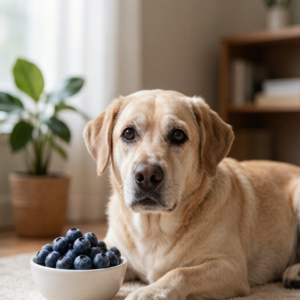
Senior Dog Vision Fading? Foods That Protect the Eyes
Eye disease is common in dogs—conjunctivitis, keratitis, glaucoma, cataracts—and over half of dogs past ten develop cataracts. Diet can slow that decline. Vitamin A from liver and carrot supports night vision; antioxidants like lutein, vitamins C and E, and anthocyanins guard the retina; omega-3 from fish eases dryness. Avoid overdoing vitamin A or raw food, and get seniors checked yearly.
Foods That Support Your Dog’s Liver
The liver filters toxins, stores nutrients, and makes bile, yet it stays silent until heavily damaged—so daily support matters. Quality protein, cruciferous vegetables, and berries aid detoxification, while milk thistle, dandelion root, and omega-3s protect cells. Just as vital is what to skip: fatty foods, toxic items like chocolate, onion, and grapes, and human medicines that strain or poison the liver. Keep water flowing and weight healthy.

How to Care for a Dog with a Sensitive Stomach
A weak gut hurts more than digestion—it drags down nutrient uptake and immunity. Causes range from sudden diet changes and parasites to infection, chronic gut disease, and stress. The fix is a gentle, single-source diet on a fixed schedule, a careful transition to new food, light toppers like pumpkin or boiled chicken, and pet probiotics. Keep the belly warm and add gentle exercise; see a vet for persistent vomiting, blood, or lethargy.