Search Results
59 results for “dog diabetes symptoms”

What Is Diabetes in Cats?
Feline diabetes develops when a cat's body makes too little insulin or responds poorly to it. Without enough insulin, excess sugar spills into the urine and cells starve, sometimes producing toxic ketones. Signs include ravenous appetite with weight loss, dull coat, excessive drinking and urination, and sweet-smelling urine. Diagnosis uses blood and urine tests, while treatment centers on insulin injections, lifelong in most cases. With careful monitoring, diabetic cats can live comfortably for years.
What happens if a dog drinks too much water?
Normal intake is about 150 ml/kg/day for puppies and 100 ml/kg for adults; more in summer or after exercise is fine if urination is normal. Sudden excessive drinking without cause may signal diabetes or kidney disease — see a vet. Water intoxication from overdrinking causes weakness, coma, edema, and reduced urination, and can be fatal.

Why Is Your Dog Weak in the Hind Legs and Unsteady
A dog that walks with weak, wobbly legs can signal many problems: lack of exercise, poor nutrition, fatigue, heart or respiratory disease, muscle or skeletal disorders, anemia, diabetes, or thyroid trouble. A single, bland diet or long hunger can cause dehydration and low blood sugar, calcium, or potassium, leading to dizziness and weakness. Overexertion alone may just need rest. If the signs persist, a vet visit with bloodwork and X-rays pinpoints the cause and guides treatment.

Canine and Feline Cataract: Symptoms, Treatment, and Prevention
Cataract is clouding of the lens in dogs and cats—often in old age or from diabetes, glaucoma, or toxins—that blurs and can destroy vision. Medicines help early stages, but surgery is the main cure.
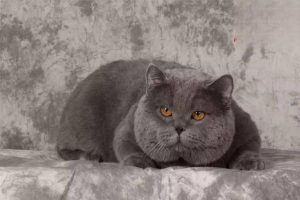
Pruritus (Itching) in Dogs and Cats: Symptoms, Causes, and Relief
Pruritus is a symptom rather than a disease, signaling an underlying problem such as parasites, eczema, diabetes, endocrine imbalance, or nutritional deficiency. Lasting relief comes from treating the root cause, not just suppressing the itch.

Hyperlipidaemia in Dogs and Cats
Hyperlipidaemia is a metabolic disorder in which blood fats such as cholesterol and triglycerides rise above normal. It often accompanies hypothyroidism, diabetes or obesity, and is managed by correcting the underlying disease and feeding a low-fat diet.

Obesity in Dogs and Cats
Obesity is an excess of body fat that develops when energy intake consistently exceeds expenditure. It is common in pets fed too much, exercised too little, or affected by endocrine disease, and it predisposes to heart disease, diabetes and a shorter life.

Diabetes Mellitus in Dogs and Cats
Diabetes mellitus in dogs and cats is a disorder of insulin deficiency or resistance that causes persistently high blood sugar. Classic signs are excessive drinking, eating, and urinating with weight loss, and treatment centers on diet, insulin or other glucose-lowering medication, and monitoring.

Hypopituitarism in Dogs and Cats
Hypopituitarism results from tumors, inflammation, or trauma damaging the pituitary or hypothalamus, leading to failure of the target glands. Young animals become dwarfs, while adults show genital atrophy, obesity, and diabetes-insipidus-like signs, and hormone replacement is the main treatment.

Chronic Renal Failure in Dogs and Cats
Chronic renal failure is the slow, often permanent loss of kidney function from long-term kidney damage, such as after acute renal failure, glomerulonephritis, or urinary stones. It brings progressive dehydration, weakness, and heart strain, and needs lifelong fluid, diet, and monitoring support.