Search Results
28 results for “dog dehydration winter”

Common Winter Feeding Mistakes for Dogs
As temperatures drop, many owners overfeed their dogs to 'build winter fat,' but that backfires. The real winter risks are digestive upset from sudden diet changes, pancreatitis from too much meat, obesity from sweets, and dehydration from dry indoor air. Keep portions steady, offer warm water under 20°C, and aim for balanced, smaller frequent meals with regular exercise.

Why Your Dog Won’t Eat and Is Vomiting
Poor appetite with vomiting often traces to a chill, overeating, spoiled or cold food, frequent food switches, or gut disease. Keep probiotics on hand to rebalance the gut, and build steady eating habits; see a vet if it repeats.
How to Manage Heavy Shedding in Dogs
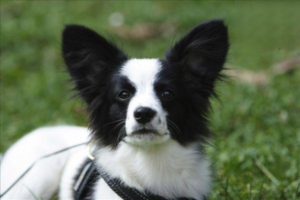
Heavy shedding often signals a diet gap or poor coat care. Feed a balanced natural diet (broccoli, salmon, cooked egg yolk help), brush daily, bathe with a mild pet shampoo 2–3 times a month, allow some sun, and keep bedding dry — but never shave the coat bare.

Why Can’t Dogs Digest Fur?
Cats and dogs both swallow fur, but cats vomit it up and dogs don't. Today we look at the fur dogs ingest.

Dog Coronavirus: Symptoms and Treatment
Canine coronavirus is an acute gut infection with diarrhea and vomiting, often striking alongside parvovirus. Puppies are hit hardest and can die in 1-2 days; vaccination and electrolyte support are key.

Why Do Dogs Like to Eat Snow?
Most dogs eat snow mainly because they are dehydrated in winter's dry air, not because they enjoy it. Fresh snow is only about 5% water, so offer fresh water instead of letting them lick old snow.

Causes and Treatment of ‘Dog Turning Intestines’ (Parvovirus)
'Dog turning intestines' is the folk name for canine parvovirus (enteritis), common in spring and winter. It is highly contagious and often fatal. If you keep several dogs, isolate the sick one at once and disinfect thoroughly.

What to Do When Dogs and Cats Have Diarrhea? Keep These Fast Antidiarrheals on Hand
The medical term for diarrhea is diarrhea, which usually refers to changes in bowel habits and stool characteristics, generally manifested as frequent defecation, increased stool volume, loose stools, and bloody stool. Most diarrhea in dogs and cats is caused by gastrointestinal discomfort, but it may also be a concurrent symptom of other diseases. Today we discuss knowledge about diarrhea in dogs and cats.

Canine Coronavirus in Dogs
Canine coronavirus is a contagious gut infection causing vomiting and diarrhea, especially dangerous to puppies. There is no targeted cure, so treatment stabilizes symptoms while prevention relies on hygiene and avoiding crowded dog areas.

Why Dogs Drink Less in Cold Weather (and Why It Matters)
As temperatures drop, many dogs drink far less, but winter dehydration is no minor issue — it can concentrate urine, form mineral crystals, and lead to urinary tract infections, stones, or even blockages. Low water also slows digestion and causes constipation, strains the kidneys, and thickens the blood, burdening the heart. A healthy adult dog needs 40–60 ml of water per kg daily, and no less than 30 ml/kg in winter. To encourage drinking, offer warm water (28–40°C), add a splash of something tasty like broth, place bowls around the home, use a flowing fountain, and boost activity on sunny days so your dog drinks after exercise.