Search Results
51 results for “dog covers face”

How Many Puppies Are in a Dog’s Litter?
A dog's litter size—usually 2–10—depends on breed, health, timing, environment, and nutrition. Small breeds like Poodles and Chihuahuas have 2–4; large breeds like Labs, Goldens, and German Shepherds have 6–8. The best breeding age is 2–6; good health and nutrition raise both count and quality, while poor nutrition can cause poor ovulation or infertility.

What Are the Common Eye Diseases in Dogs?
Dogs can develop several common eye problems, including conjunctivitis, keratitis, entropion, and cataracts, each with distinct signs such as redness, tearing, cloudiness, or a whitish discoloration. Some breeds are more prone to certain conditions, but daily eye checks and prompt cleaning of discharge go a long way toward prevention.

Cat and Dog Tear Stains: Understanding the Causes and Managing Them at Home
Tear stains are a common frustration for owners of flat-faced breeds and many other cats and dogs. They are rarely a single mystery illness; instead they usually trace back to blocked tear ducts, ear problems, allergies, or diet. The right fix depends entirely on the underlying cause. This guide walks through the main reasons pets develop reddish-brown staining, what each pattern looks like, and the at-home steps—gentle cleaning, ear checks, allergy control, and diet tweaks—that keep stains from returning. Knowing the cause is the first step to clearer, healthier eyes.

Early Signs of Heatstroke in Dogs—and How to Prevent It
Dog heatstroke progresses through early warning signs, moderate fever, and severe shock, and the early stage is the easiest to miss—and the easiest to treat. Watch for constant open-mouth breathing with the tongue out and rapid shallow breaths, lethargy and slow responses, seeking shade and refusing to walk, thick stringy drool with a dry hot nose, and reddened, warm paw pads. Move the dog to a cool, airy spot and offer water in small amounts at the first sign; untreated, it can become critical within minutes. This article also covers which dogs are most at risk and practical prevention, from walking at dawn or dusk to never leaving a dog in a parked car.

The Benefits of Swimming for Dogs—and the Details to Watch
Swimming is one of the safest, highest-value exercises for dogs—it cools them off, burns fat efficiently, and, thanks to water’s buoyancy, strengthens muscles without stressing the joints. That makes it ideal for senior dogs with arthritis or conditions like osteochondrosis, shoulder injury, or cranial cruciate ligament damage. But not every dog is built for the water: small, brachycephalic, very young, or timid dogs can choke and panic if thrown in, and flat-faced breeds like French Bulldogs and Pugs face a far higher risk of drowning, aspiration, and pulmonary edema. This article covers the real benefits of swimming, the dogs that should avoid it, the must-do post-swim drying routine, and how to cap session length to keep the heart and body safe.

How to Prevent Seizures After a Puppy Recovers from Distemper
Seizures can appear even after a distemper test turns negative because the virus is neurotropic—central-nervous-system damage and lingering inflammation may already be set. Prevention rests on three pillars: ease neuroinflammation, protect and repair nerve tissue, and avoid triggers. Nerve-support supplements (B vitamins, fish oil, citicoline, mecobalamin) help, and high-risk puppies may need low-dose long-term anti-seizure medication under a vet's supervision. Keep the environment calm and warm, skip baths during recovery, and feed highly digestible food with vitamin E, selenium, and lecithin. Learn the early warnings—repeated nodding, limb tremors, circling—so you can act before a full seizure.

Can a Dog’s Protruding Eye Be Saved?
A dog's eye bulging from its socket needs urgent veterinary care. Causes range from the fatty pad behind the eye being pushed forward—common in short-nosed breeds like Pugs and Boston Terriers—to tumors, thyroid issues, infection, or trauma. Treatment is either replacing the eye or, in severe cases, removal. Gently clean around the eye before the visit, and keep up regular eye and health checkups to catch problems early.

Why Is Your Dog Drooling So Much?
A dog that drools a lot is not always just greedy. Drooling has many causes, and often it is a signal of illness worth noting. It may be dental problems or teething, a throat obstruction or injury, fear and anxiety, overheating, old age, or even car sickness. Most drooling is normal behavior, but if disease is suspected, see a vet.
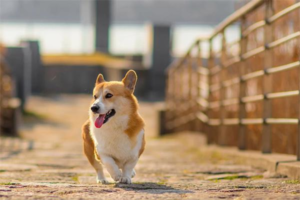
Common Items in a Dog Health Checkup
A routine dog checkup covers coat and skin, weight, temperature, eyes, ears, teeth, feces, X-rays, and blood work. Many diseases show no early signs and become serious or even untreatable by the time they appear, and older dogs face organ decline and age-related illness, so yearly exams are worthwhile. A typical visit measures rectal temperature (normal 38-38.9°C), checks eyes and ears for cleanliness, assesses coat and weight, examines the mouth for gum or tooth disease, and may add fecal, X-ray, or blood tests as needed.

Why Your Dog Can’t Open Its Eyes
A dog that won't open its eyes is usually dealing with conjunctivitis, irritation, or a trapped foreign object. Gently cleaning the eye, using vet-approved drops, and trimming stray lashes clears most mild cases, but yellow-green discharge with fever needs a vet visit.