Search Results
37 results for “dog communication”
What happens if a Bichon Frise is tail-docked?
Docking makes the Bichon's proportions look more balanced, meeting some show standards or owners' aesthetics. But for the dog itself the benefits are unclear and it can cause harm — it can't express emotion through its tail, limiting communication; the process is painful and risks severe infection if poorly cared for; it may also affect balance. If you can accept the natural look, avoid docking.
How to train a puppy
Start early; teach simple obedience (sit, down, stay) to build habits and communication, then increase difficulty. Train at fixed times, not too long, to avoid resistance. Reward good behavior to encourage correct actions.
What Happens If a Golden Retriever Has No Tail?
A tail aids balance, communication and protection; a tailless Golden looks different and may lose market value, and balances slightly worse but adapts. It also communicates less, risking insecurity.

Cymric
The Cymric, English name Cymric, is also called the Longhaired Manx or Longhaired Isle of Man cat. From its alias we know it is a longhaired cat; though long-haired, it's not hard to groom. Its most striking feature is having no tail, drawing immediate attention.

The Body Structure of a Hamster
Many people love hamsters but few know how their bodies work, such as that hamsters have poor eyesight. Here is a close look at hamster body structure.

Tips for First-Time Poodle (Teddy) Owners
The Poodle—known as the 'Teddy' in its popular clip—is lively, smart, and devoted, making it a great family pet, but new owners should know the basics. Start deworming at two months and vaccinate a week later; feed balanced, nutritious food since Teddies are picky with sensitive stomachs; and keep the environment clean with basic training, daily outings, and regular health checks.
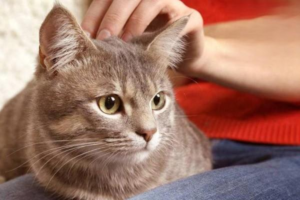
Cat Anatomy and Nutritional Requirements
A cat's body has nine notable parts (limbs, eyes, teeth, paw pads, nose, tongue, claws, whiskers, ears), and its diet needs core nutrients: protein, fat, carbohydrates, water, crude fiber, magnesium, calcium, phosphorus, and taurine. As obligate carnivores, cats need animal-source nutrition.
- « Previous
- 1
- 2
- 3
- 4