Search Results
37 results for “dog communication”

How Do Dogs Make Friends?
Dogs make friends by reading each other's body language, vocalizations, and scents, and regular socialization supports their physical and mental health. Owners can help by providing safe, structured opportunities for positive interaction with other dogs.

Why Do Dogs Jump on People
Jumping is a dog's way of showing affection and welcome, seeking attention, or continuing puppy behavior. It's friendly, but large dogs can knock people over, so training is wise. Respect the instinct but teach a calmer greeting.

Why Do Dogs Attack Strangers?
A dog may attack a stranger out of instinct and territory, a misunderstood gesture, fear, or poor socialization. The fix is early, broad socialization plus basic obedience, and calmly stopping the behavior the moment it starts.

Why Does My Dog Raise Its Butt?
A dog that raises its rear may simply be stretching, inviting play, showing affection or submission, or signaling heat in an unspayed female. If the posture is sudden, frequent, and accompanied by obvious pain, it can point to abdominal discomfort and warrants a vet visit.

Why Do Dogs Get Anxious?
Many factors cause dog anxiety, including environmental change, separation from the owner, social anxiety, noise phobia, and over-protectiveness of food or owner. Dogs feel most anxious when tense or insecure, so reduce triggers and help them cope. Build trust through good communication, provide a stable and safe environment, and use proper socialization training.

How Do Dogs Learn to Recognize Their Owner?
How fast a dog bonds with its owner varies with age, personality, and how it is raised. To speed things up, give plenty of loving care so the dog trusts and depends on you. A new dog is often wary, so let it first get used to you and its surroundings, then feed it yourself, spend time with it, and play often so it feels loved. Regular routines, gentle patience, small rewards, and daily interaction all help a dog recognize you as its person.

What Are a Dog’s Social Behaviors?
Dogs rely on a rich set of social behaviors to communicate and bond with one another. Their primary channel is scent: by sniffing each other's hindquarters, ears, and tails, dogs read information about age, sex, health, and social status, then decide whether to be friendly or hostile. They also use body language—eye contact, vocalizations, and posture—to express emotion and intent. Play behaviors like chasing, mock biting, and mutual sniffing build social skills and trust, while some clever dogs even share food to signal friendship and deepen bonds. Understanding these behaviors helps owners read their dog's social world.

How to Train a Golden Retriever
Train only a healthy, happy dog, start with simple cues to build communication, and keep sessions short but constant through daily life. Match your tone to the dog’s character, and ask a pro if stuck.

Decoding Cat Behavior
A cat's 'disgusted' face is the Flehmen response sniffing pheromones; purring eases pain and heals bone; a love-bite means 'stop'; cats know their name but often ignore it; and knocking things over is attention-seeking or hunting practice. Reading these cuts the confusion.
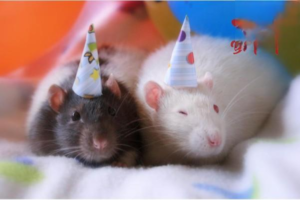
A Hamster’s Everyday Little Moods
Non-owners may find hamsters hard to read, unlike cats and dogs — but learning their moods enables real communication. Here are a hamster's everyday moods.
- « Previous
- 1
- 2
- 3
- 4
- Next »