Search Results
416 results for “dog command”
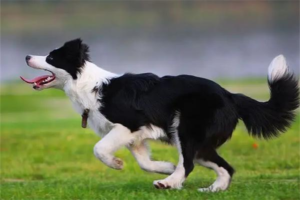
How to Train a Puppy to Fetch
Teaching a dog to fetch is a great way to build a bond and burn off energy, and it works best with the right setup. Start during the growth phase (around 4–6 months) or a dog's energetic years (3–7). Pick a ball of the right size and bounce—tennis or ping-pong balls work well—and build interest by letting the dog sniff it, or by rubbing the ball with a favorite food scent if it shows no interest. Throw it a short distance, give the 'fetch' cue, and reward the return with praise, petting, or a treat so the dog learns the behavior pays off. If the dog won't pick up or won't bring it back, demonstrate yourself, use a treat to trade for the ball, and stay patient. Keep sessions to 15–20 minutes.
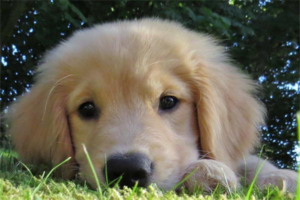
How to Train a Golden Retriever to Retrieve?
Golden Retrievers are smart and eager to please, which makes them relatively easy to train. Teaching your dog to fetch and carry objects starts with building trust, choosing safe toys, and picking one clear verbal cue like "fetch." Use positive reinforcement—praise or a small treat—when your dog responds correctly, and gradually increase the distance and difficulty. Keep sessions short, fun, and patient, then reinforce the skill in daily life through games and light carrying tasks. Consistent, reward-based training helps your Golden master retrieving faster.
How do you train a Pomeranian to be obedient?
Pomeranians are lively and easily distracted, so use treats as lures and reward each success. Assist manually at first, correct misbehavior firmly but without physical punishment, and praise often.
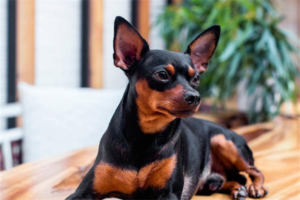
Are Miniature Pinschers Easy to Care For?
The Miniature Pinscher is a lively, smart, gentle, and people-loving dog that experienced owners generally find easy to keep. It adapts well indoors yet still needs daily outdoor exercise to burn energy, or it may get into mischief. Its sensitive skin benefits from regular brushing and bathing, and routine vaccinations and checkups prevent disease. Pros include small size, high intelligence, loyalty, a mild temperament, little odor, and easy adaptability. Cons are a delicate stomach, cold sensitivity, and a loud voice. With a safe home, balanced diet, enough exercise, and regular parasite control and vaccines, a Miniature Pinscher thrives.

Papillon Temperament and Care
The Papillon is a small, elegant European breed named for its butterfly-like ears. Weighing just 3 to 5 pounds, it has a soft, flowing coat in white, black, brown, or patterned colors. Despite its size, the Papillon is lively, affectionate, and highly intelligent. These dogs bond closely with their families, greet strangers kindly, and adapt to apartments or houses alike. They are quick to learn and enjoy training, games, and companionship. Because they are active and curious, they need daily exercise, mental stimulation, and regular grooming. A balanced diet, routine veterinary checks, and social interaction keep a Papillon healthy and happy. With the right care, this bright little companion becomes a devoted, joyful member of the household.
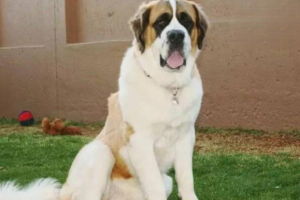
How Much Does a Bichon Frise Cost?
The Bichon Frise is a small, charming companion dog loved by many families, especially those with children. Its price ranges from a few hundred to several thousand yuan, driven by region, overall quality, and whether you buy from an individual or a kennel. As a rough guide: non-purebred around 200–700, pet-quality 800–1,000, purebred 1,000–1,500, and show-quality 2,000–50,000. Puppies from home breeders typically run 800–3,000, while kennel and show lines cost more. A higher price does not always mean a better dog—prioritize health and temperament.
How intelligent is a Bichon Frise?
The Bichon Frise is fairly intelligent, ranking 45th among common companion dogs — roughly the equivalent of a 3- to 4-year-old child. They are lively, loyal, and obedient, learn simple commands quickly thanks to a strong memory, and respond well to training that starts around 2–3 months of age with treat rewards.
How do I train a Golden Retriever?
Start by teaching your Golden Retriever its name with a short, clear word and calling it before meals, then move on to simple commands like sit, stand, down, and walk. Help it through the motion at first and reward it, then have it perform independently for verbal praise and treats - consistent rewards are the key to effective training.
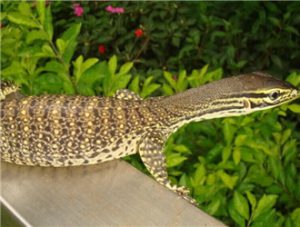
Gould’s Monitor
Gould's Monitor (Varanus gouldii), also called the Sand Monitor or Racehorse Goanna, is a large, fast and hardy Australian monitor. When threatened it rears on its hind legs, inflates its neck and hisses; impressive but hard to tame and potentially dangerous as an adult.
How to Train a Labrador Retriever?
Build trust first through feeding and play, then train in a quiet open space using treats. Pair hand signals with verbal cues like 'sit', reward immediately, and keep daily sessions to 15-20 minutes for best results.