Search Results
416 results for “dog command”

Basic Training Every Dog Owner Should Know
A newly arrived dog brings plenty of challenges, but dogs are highly intelligent and most problems come from simple misunderstanding. With patient training, nearly everything can be solved. This article covers three practical areas: command training (sit, shake, down), resource guarding around food, and housebreaking to a designated spot. Using treats, toys and clear timing, you can teach your dog what you expect. For stubborn cases in large breeds, professional trainers are the safe choice. Consistency and patience are the real secrets.
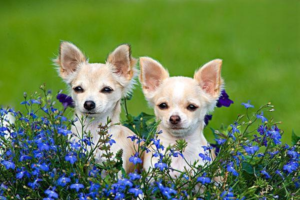
Can a 7-Year-Old Care for a Dog?
By age seven, children can grasp that dogs have feelings and need gentle care, but real responsibility takes maturity. Parents should weigh the cost, time, and long-term commitment (dogs can live 18 years), then ask the child honest questions about why they want a dog and the daily duties. Teach kids the 'be a tree' stance against aggressive strange dogs.

Are Cats as Smart as Dogs?
By the numbers, cats and dogs have similar intelligence, but cats don't follow commands because they are solitary, not pack, animals. Cats also age cognitively, with dementia showing as repeated eating and wandering; strong conditioning, like racing to the food-bag sound, proves their learning. Instinctive reflexes, such as crying when cold, also reveal smart survival wiring.
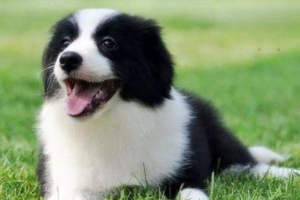
Why Does Your Dog Stare at You?
A dog's steady gaze isn't just a stare; it communicates. Your dog may be hoping for a fallen bite, seeking attention, waiting for a command, expressing love, asking for protection, or reading your mood. But a hard stare with tense muscles and a low growl is a warning to look away and back off slowly.

How to Teach a Dog to Recognize Its Name
The first task after a dog arrives is choosing a name, but at first it doesn't know you're calling it. How do you teach that? Building a close bond and using the name at the right moments, with the right tone, helps a dog learn its name quickly and happily.

Which Dogs Are Most Prone to Ear Infections?
A dog's L-shaped, narrow ear canal traps debris and invites infection. Small long-haired breeds, large floppy-eared dogs like Cocker Spaniels, Beagles, and Dachshunds, and some prick-eared breeds with tight canals such as Bulldogs are most at risk. Causes span primary (mites, allergies, tumors), predisposition (canal shape, systemic disease), and perpetuating (bacteria, fungi). Watch for head-shaking, foul discharge, and hearing loss, and keep the outer ear clean to protect the inner ear and nervous system.

Dogo Argentino Temperament and Personality
The Dogo Argentino is a highly intelligent, loyal breed with a strong drive to work and protect. Bred originally as a hunting and guardian dog, it can show reserve or wariness toward strangers and some aggression toward other dogs, yet with proper socialization it is devoted, gentle, and quiet with its own family. Early, consistent training unlocks its quick learning and dependable temperament, making it a capable and affectionate companion for experienced owners.

Signs Your Dog Thinks It Outranks You
Dogs inherited a pack mindset from their wolf ancestors, and some dogs decide they're the boss of the household. Common signs include guarding food, jumping on or mounting you, ignoring commands unless food is involved, claiming the sofa or balcony as off-limits, and snapping back when you correct them. Left unchecked this can escalate toward biting, so clear, consistent household rules matter—and most dogs actually feel safer once they know you're in charge.

Is the Chinese Rural Dog Easy to Train?
The Chinese rural dog is smart, loyal and brave, so it is generally easy to train and responds willingly to commands. Each dog is an individual, though, so results vary with its learning ability. The best approach is early socialization, positive reinforcement, steady patience, and gradual step-by-step goals. Keeping training varied across environments and treating it as a lifelong routine builds reliable obedience, trust and problem-solving, while harsh punishment only breeds fear and resistance.
Why does my dog leak urine when it gets excited?
Excited urination is a normal physical reaction - puppies have poor bladder control, so when they're excited, nervous, or scared their bladder muscles contract and they leak involuntarily, usually outgrowing it. Reduce emotional stimulation, keep exercise up to burn energy, and redirect excitement with a sit or shake command.