Search Results
199 results for “dog cold weather”

Preventing Colds in Dogs During Spring
Spring's swinging temperatures let colds take hold, and a simple cold can escalate into rhinitis, bronchitis, pneumonia, or even distemper. Keep your dog warm, dry, exercised, and well-fed to stay ahead of it.

What to Do When Your Dog Won’t Eat in Summer
Summer heat saps a dog's appetite for many reasons, illness, stale food, weather, mood, or estrus, so cool it down before worrying. Bathing, AC, and shade help, but avoid overcooling and never shave a healthy coat, which raises skin risks.

Can a Human Cold Spread to a Dog?
Human colds rarely pass to dogs — their immune systems differ — but a dog still needs three things to catch any cold: a pathogen, a route, and low immunity. Hand hygiene, fresh air, warmth, sun, good diet, and play keep your dog's defenses up.

Cooling Ingredients for Dogs with Summer Acne and Bad Breath
Hot weather can leave a dog with bad breath, rashes, or pimples, signs of internal "heat." Cooling foods like luffa, mung bean, barley, and kelp help clear it, though cold-natured ingredients can loosen stools or chill the body, so serve them with the regular diet and check with a vet if unsure.

What to Do If Your Teddy Dog Has a Fever
A Teddy (toy poodle) can run a fever from weather changes, rain, or not being dried properly after a bath. Bring the temperature down with physical cooling such as alcohol wipes or an ice pack, but never use human cold medicine, and see a vet if it passes 40 °C.
How Dogs Catch Canine Distemper
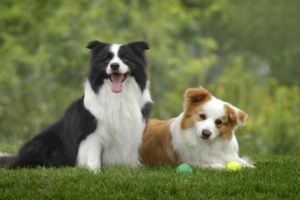
Canine distemper takes hold when a dog with low immunity meets the distemper virus — after a 1–2 week incubation, the virus flares and causes diarrhea, coughing, sneezing, and vomiting. Common triggers are cow's-milk diarrhea, spoiled meat, incomplete or failed vaccination, chills, early walks, stress, and skipped deworming. The single best defense is a full vaccine course (the six-in-one core shot) starting around two months of age.

Signs Your Dog Isn’t Getting Enough Exercise
Dogs need daily exercise to burn energy and stay fit — without it they pack on weight, bark for attention, chew the furniture, sleep poorly, and bolt out the door. Leash up for walks, and on bad-weather days burn energy with indoor games.
How to Care for a Dog After Birth
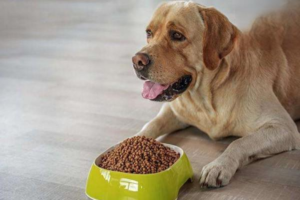
After birth, keep the dam in a quiet, warm, clean den with nutritious food and water, wipe (don't bathe) her, and watch the pups. Wean at 21 days; lingering milk or a mammary lump may mean mastitis and needs a vet.

Distemper vs. a Common Cold in Dogs
A common cold brings lethargy, appetite loss, weepy eyes, cough, and runny nose, while canine distemper adds thick white or yellow eye/nose discharge and nervous signs like seizures. Distemper is fatal in over 50% of adults and up to 80% of puppies, so any unsure or worsening case must reach a vet immediately.

What to Do If a Dog Keeps Vomiting After a Cold
A dog that vomits with a cold — dry heaves or clear mucus plus cough, runny nose, and sneezing — usually just needs warmth, pet cold medicine, probiotics, and broth. But unstoppable vomiting can signal viral disease, gastroenteritis, or parvovirus and needs immediate veterinary care.