Search Results
49 results for “dog cold tolerance”
What happens if a Husky gets too hot?
Huskies have low heat tolerance; in heat they pant, drool and seek shade. High heat or exercise can cause heatstroke from mild lethargy to seizures and collapse.
How Do I Shave a German Shepherd?
Generally avoid shaving a German Shepherd, as its double coat insulates and repels insects; frequent shaving harms cold and heat tolerance. If treating skin disease, relax the dog first and clip only about 2 cm around the affected area, not too short to protect follicles.
How to treat a puppy’s coughing and wheezing?
Puppy cough and wheeze may come from upper respiratory infection due to cold, or lower infections like bronchitis or pneumonia. Keep it warm and give cough, anti-inflammatory, and cold medicine for a few days; if no improvement, see a vet. Heart issues or ascites can also cause it, so seek care if lethargic or breathless.
Hair Loss and Excessive Urination? Symptoms of Hormonal Imbalance in Cats
Feline hormonal (endocrine) imbalance is not one disease but a sign of disorders such as hyperthyroidism, diabetes, Cushing's syndrome, or hypothyroidism. Hyperthyroidism brings ravenous appetite with weight loss, thirst, and overactivity; diabetes causes the 'three polys plus weight loss' and weak hind legs; hypothyroidism shows as lethargy, weight gain, and a dry, thinning coat. See a vet for blood and urine tests if you notice these signs.

Understanding Hypothyroidism in Cats
Feline hypothyroidism means the thyroid gland in the neck does not make enough hormone, slowing the whole body's metabolism. Signs include low energy, poor cold tolerance, slow wound healing, fragile skin, hair loss, weight gain, high blood fat, and anemia. It is an autoimmune disease, hard to prevent, and usually lifelong, managed with daily thyroid hormone pills. It is very rare in cats but common in dogs, and often appears with age.

Can Pets Take Human Medicine?
When a pet falls ill, many owners reach for human medication, but giving pets human drugs is dangerous and has caused countless fatalities. There is a real difference between human, animal, and pet formulations. This article explains why human medicine can be fatal to pets, how dosages misfire, and the risk of drug resistance, and reminds owners to consult a vet instead.
Pet CoQ10 Red/Black List Thinking: Reading the Test Data
About 10% of dogs and 7% of cats develop heart disease in their lifetime, and the early signs are easy to mistake for normal aging or a cold — until diagnosis, when the damage is often irreversible. CoQ10 is frequently advised, but 'which one' is the hard part. This guide separates the real science from the marketing: what CoQ10 actually does, the drug it cannot replace, and the four hard metrics a product should meet.
Eastern Chicken Turtle
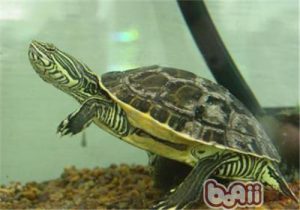
The Eastern Chicken Turtle is uncommon in China, as its plain appearance is not popular, and as a tropical species it is rare in cold regions.

Emydoidea blandingii (Blanding’s Turtle)
Blanding's turtle is a semi-aquatic turtle of the Great Lakes region, gentle and cold-hardy, with a smooth black helmet-shaped shell and a yellow hinged plastron marked with black blotches. It is omnivorous and adapts well to captivity.
- « Previous
- 1
- …
- 3
- 4
- 5