Search Results
262 results for “dog coat”

Why Your Teddy Keeps Scratching and How to Help
A Teddy that won't stop scratching may just need a bath, but it can also mean mosquito bites or ringworm. Bathe and dry thoroughly for dirt; use a vet-recommended topical parasiticide for bug bites; for ringworm, clip the fur and apply an antifungal spray. Boost nutrition during treatment and check the skin often.

How to Treat Red Bumps on a Labrador
Red bumps on a Labrador usually come from mites, fungal infection, vitamin deficiency, or poor coat care — not random, and good hygiene prevents most. Treat the specific cause, feed a bland diet, keep the dog cool and the environment disinfected, and see a vet for widespread bumps.

Why Your Corgi Has Red Bumps
Red bumps on a Corgi usually signal folliculitis caused by bacteria, fungus, or Demodex mites. Keeping the coat clean, the living space dry, and the dog away from infected dogs prevents most outbreaks.

What to Do About Heavy Shedding in a Pomeranian
Pomeranians shed heavily, but daily brushing, sensible bathing, sunlight, and a low-salt diet keep the coat healthy and the fur where it belongs. Most shedding is manageable at home, with a vet check if the skin itself looks unhealthy.
What to Use for a Puppy With a Mite Infection
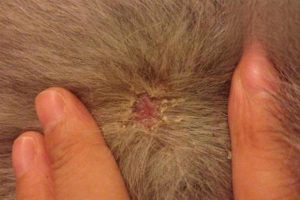
Mites are among the most common causes of dog skin problems, and they spread easily through dirty surroundings or play with other dogs. Treatment combines environmental disinfection, the right topical or ear medication, and immune support — with a vet visit for anything severe.

How to Reduce Shedding in a Pug
Pugs shed, but how much depends on daily care. Over-bathing, human shampoo, too little sunlight, and poor diet all make shedding worse, while regular brushing, good nutrition, and quick attention to skin trouble keep the coat under control.
My little Poodle suddenly started losing hair — what’s going on?
Sudden shedding in a Poodle is usually a skin condition or a lack of trace nutrients. Check the shedding area for scabs, hair loss, itching, dandruff, redness, or rashes; if present, treat with a topical ointment. If none, it may be a nutrient deficiency or molt — feed hair-and-coat-supporting foods and vitamins.
I noticed a lot of dandruff on its skin right before a bath — what’s going on?
Dry skin with dandruff is often just a dirty coat plus infrequent baths and low water intake — give more water and bathe it; vitamin B speeds recovery. It can also signal a skin condition, so an online vet check is wise.
My Toy Poodle keeps scratching with its paws and rubbing against the wall — what’s going on?
Constant scratching can be a skin condition or just a dirty, unbathed coat. Check for scabs, red patches, hair loss, and dandruff; if present, a vet-recommended topical skin ointment treats it. If not, a medicated, parasite-control shampoo and a vet-recommended external parasite treatment usually resolve it.

What to Do When an Alaskan Malamute Has Skin Disease
An Alaskan Malamute with skin disease shows itching, hair loss, and scabs that can spread across its large body if ignored. Clip the affected fur, disinfect, apply antifungal spray and ointment, and keep the environment clean.