Search Results
262 results for “dog coat”

What to Do When Your Pug Is Shedding
A Pug should not shed much normally, so sudden hair loss usually means a skin problem, poor nutrition, a coat change, the season, or too much salt. Walk through these causes to tell them apart, and ask a vet online if anything is unclear.
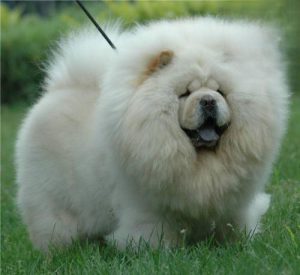
Distemper in Chow Chows: Symptoms and Treatment
Canine distemper is one of the deadliest diseases in dogs, and Chow Chows—with their thick coats that trap heat in summer—are especially vulnerable. Act on symptoms early: the cure rate is highest in the first stage, and delay can be fatal.

Can Samoyeds Eat Rice?
Yes, but only in small amounts. Plain rice alone lacks the vitamins and minerals a Samoyed needs, and starchy food encourages tartar and gum disease. A balanced kibble is the best base, with plain boiled vegetables as an occasional add-in.

How to Care for a Bichon Frise
Bichon care comes down to three things: brushing, bathing, and diet. Daily brushing prevents the curly coat from matting, a dog shampoo and correct water temperature keep the skin healthy, and small-breed food with vegetables balances the meal.

When Do Ragdoll Cats Shed the Most?
Ragdolls shed most heavily in the cooler months, especially from September to November, as part of normal seasonal shedding. Regular coat care, added dietary oils, and consistent home cleaning keep loose fur under control.

What to Do When a Hair Gets in Your Puppy’s Eye
Loose hairs, especially in long-coated breeds, can drift into a puppy's eye and cause irritation or injury if removed carelessly. Use a clean cotton swab rather than your fingers, keep the fur around the eyes trimmed, and bathe the dog regularly to limit the problem.
Can Canine Distemper Be Cured?
Canine distemper is a highly contagious viral disease with over 50% mortality, but caught early it is often treatable. Symptoms move from mild fever and diarrhea to severe eye and nerve damage, so any suspected case needs immediate veterinary care.

Schnauzer With Bumps and Scabs on the Skin
Bumps and scabs on a Schnauzer's skin usually point to a parasite problem or a fungal or bacterial infection. Small affected areas can often be managed at home with gentle cleaning and a vet-recommended spray, but widespread or worsening lesions need a vet visit.

How to Treat Skin Disease in a Puppy
Skin disease is common in undernourished or frail dogs, and hits puppies and weak individuals hardest. The main culprit is the fungus Microsporum canis, which survives for months — even years — on surfaces. Signs range from mite-driven red spots to visible fleas, and treatment means shaving, topical medication, environmental disinfection, and an Elizabethan collar.

How to Treat Skin Disease in a Poodle (Teddy)
Poodles have dense, curly coats that trap moisture and parasites, making them especially prone to mite-driven skin disease in hot weather. Red, itchy bumps, hair loss, and constant rubbing against furniture signal infection. Treatment pairs a topical parasiticide with an oral dewormer, plus a medicated ointment for severe cases, and omega fish oil to aid coat recovery.